Brand Management: Building and Sustaining a Successful Brand

  Brand Management: Building and Sustaining a Successful Brand Brand management is a critical aspect of modern business strategy, involving the planning, development, and direct control of a brand’s reputation and perception in the marketplace. It goes beyond mere marketing; it encapsulates all efforts to create a strong, positive image in the minds of consumers and stakeholders. Effective brand management leads to brand loyalty, increased market share, and sustained profitability. This article delves into the essentials of brand management, drawing on insights from academic literature, textbooks, and reputable online sources. The Essence of Brand Management A brand is more than a logo or a tagline; it is the totality of what a consumer feels, thinks, and perceives about a product or service. As Kotler and Keller (2016) articulate, “A brand is a promise that the company will deliver a specific set of features, benefits, and services consistently to the buyer” (p. 269). This promise is the foundation upon which brand management is built. The process involves a strategic mix of elements, including product quality, customer service, communication, and emotional connections that together foster brand equity. Brand equity refers to the additional value a brand brings to a product or service beyond its functional benefits. It is a central goal of brand management, as high brand equity leads to stronger consumer preference, loyalty, and the ability to command premium pricing (Aaker, 1996). Managing brand equity requires the consistent reinforcement of a brand’s values and attributes across all customer touchpoints. Components of Brand Management 1.0 Brand Identity Brand identity is the collection of all brand elements that a company creates to portray the right image to consumers. According to Aaker (1996), brand identity encompasses everything from visual elements like logos, typography, and colours to the brand’s voice and personality. A well-crafted identity distinguishes a company from competitors and ensures a unique market position. For example, Coca-Cola has built one of the most recognisable brand identities globally by consistently using its distinctive red colour, scripted logo, and emotional messaging centred on happiness and togetherness. Such consistency has reinforced its global identity for over a century. 2.0 Brand Positioning Brand positioning is about defining where a brand fits within its market and how it stands out from competitors. It involves determining a unique value proposition and embedding it in the minds of consumers. As Ries and Trout (2000) argued, “Positioning is not what you do to a product. Positioning is what you do to the mind of the prospect” (p. 2). Effective brand positioning resonates with consumers, creating strong associations. For example, Volvo positions itself around safety and reliability, while Tesla differentiates on innovation, technology, and sustainability. Both demonstrate how clear positioning drives consumer preference and long-term loyalty. 3.0 Brand Communication Brand communication is essential for delivering a brand’s values, promises, and benefits to its target audience. Modern organisations use integrated marketing communication (IMC) to ensure all messaging is consistent across advertising, digital channels, PR, and sales promotions (Clow & Baack, 2016). Consistency in communication reinforces brand identity and helps build trust. For instance, Nike’s “Just Do It” campaign has consistently communicated empowerment and achievement, enabling the brand to connect emotionally with diverse consumer segments worldwide. 4.0 Brand Experience The brand experience is the perception and emotions that consumers form through direct or indirect interactions with a brand. According to Keller (2003), brands should aim to provide memorable experiences that go beyond functional benefits and create emotional connections. For example, Apple focuses on creating a seamless customer experience through innovative products, elegant retail stores, premium packaging, and strong after-sales service. This holistic experience fosters loyalty and turns consumers into brand advocates. Similarly, in the hospitality industry, brands such as Ritz-Carlton differentiate themselves through exceptional service experiences that embody luxury and personalisation, reinforcing their positioning as a premium brand. Challenges in Brand Management In today’s globalised and digitally driven markets, brand managers face several significant challenges. Consistency across markets and platforms – Maintaining a coherent brand message across multiple regions, languages, and cultures is difficult. For example, multinational firms like Unilever must adapt campaigns for local markets without diluting global brand identity (De Chernatony, 2010). Digital scrutiny – With the rise of social media, brands are under constant public observation. Any misstep, such as poor customer service or controversial campaigns, can go viral and harm brand reputation. For example, Pepsi’s 2017 protest advertisement faced backlash worldwide, damaging its credibility. Brand dilution – Expanding into too many categories or launching inconsistent sub-brands can confuse customers and weaken equity (Keller, 2013). For instance, if a luxury brand extends into low-cost product lines without clear differentiation, it risks eroding its premium image. Evolving consumer expectations – Modern consumers expect brands to take stances on social responsibility, sustainability, and ethical practices. Brands failing to address these areas risk alienating younger demographics who prioritise values-driven consumption (Holt, 2002). Sustaining a Successful Brand Sustaining long-term brand success requires strategic management of several elements: Consistency – Messages, visual identity, and customer experiences must align across all touchpoints. Adaptability – While consistency is key, successful brands also adapt to technological, cultural, and societal changes. For instance, LEGO reinvented itself by expanding into digital gaming and films, broadening relevance beyond traditional toys. Engagement – Brands must foster two-way communication with customers. Digital platforms allow for direct interaction, building stronger brand communities (Muniz & O’Guinn, 2001). Innovation – Constant product and service innovation ensures continued relevance. Samsung and Apple illustrate this by continuously updating technology portfolios to maintain competitive advantage. Value-driven branding – Brands that align with societal issues, such as Patagonia’s environmental activism, often generate deeper emotional connections and loyalty. Brand management is a dynamic, multi-faceted discipline that goes far beyond creating logos or running advertising campaigns. It is about building and sustaining a promise that resonates with consumers, creating brand equity, and differentiating in competitive markets. By strategically managing brand identity, positioning, communication, and experience, businesses can build strong brands capable of withstanding challenges and fostering long-term loyalty. In an era of … Read more



Chessington World of Adventures: A Thrilling Family Destination

Nestled in the heart of Surrey, just a short drive from London, Chessington World of Adventures is one of the UK’s premier theme parks, offering an exhilarating mix of rides, attractions, and animal encounters. Since its opening in 1987, Chessington has evolved from a simple zoo into a sprawling resort that captivates visitors of all ages with its unique blend of thrills, entertainment, and wildlife experiences. The park has consistently been at the forefront of family-oriented attractions in Britain, providing not only entertainment but also educational value through its wildlife conservation efforts. A Theme Park with a Difference What sets Chessington World of Adventures apart from other theme parks is its rich history as a zoological garden. Originally established in 1931 as Chessington Zoo, the park has retained its strong connection to wildlife, integrating it seamlessly with its theme park attractions (Owen, 2012). This combination creates a unique environment where visitors can experience the excitement of roller coasters alongside the wonder of seeing exotic animals up close. The park is divided into several themed lands, each offering a distinct experience. From the ancient ruins of Wild Asia to the jungles of the Rainforest, Chessington’s attention to detail in creating immersive environments is evident throughout (Chessington World of Adventures, 2023). These themed areas not only provide a backdrop for the rides but also tell stories that engage and entertain guests. The integration of themed settings with rides and wildlife exhibits reflects the park’s ability to blend adventure with education, making it an ideal destination for families. Thrilling Rides and Attractions For thrill-seekers, Chessington World of Adventures boasts a variety of adrenaline-pumping rides. One of the park’s most iconic attractions is The Vampire, a suspended roller coaster that soars through the treetops of Transylvania, offering riders a heart-pounding experience (Williams, 2019). The ride’s gothic-themed design and the sensation of flying add to the excitement, making it a must-visit for thrill enthusiasts. Meanwhile, Dragon’s Fury, a spinning roller coaster located in the Land of the Dragons, provides a wild ride with unexpected twists and turns that leave visitors breathless. The unpredictable nature of the ride, combined with the dragon-themed fantasy landscape, makes it one of the park’s standout attractions (Chessington World of Adventures, 2023). These rides, with their combination of immersive storytelling and technical sophistication, are key reasons why Chessington remains a top destination for adventure seekers. For younger visitors, there are plenty of family-friendly rides available. The Gruffalo River Ride Adventure, based on the beloved children’s book by Julia Donaldson, takes guests on a gentle boat journey through the deep dark wood, where they encounter familiar characters from the story. This attraction combines the elements of storytelling with interactive scenery, providing a relaxing yet magical experience for families with young children (Lloyd, 2017). Another popular attraction is the Adventure Tree Carousel, a whimsical ride through an enchanted forest, which is perfect for children and those looking for a more relaxed experience. These family-oriented attractions, combined with the park’s more intense rides, demonstrate Chessington’s appeal to visitors of all ages. A Zoo with a Difference Chessington’s origins as a zoo remain a central part of the park’s identity. Today, the zoo is home to over 1,000 animals from around the world. It is organised into several themed areas, such as Trail of the Kings, which features majestic big cats, including lions, tigers, and leopards, in naturalistic habitats. This section of the zoo not only provides a stunning visual experience but also educates visitors on the importance of wildlife conservation (Shackley, 1996). One of the zoo’s standout experiences is the Zufari: Ride into Africa, where guests board a safari truck to explore an African savannah, encountering giraffes, zebras, and rhinos along the way. This ride offers a thrilling yet educational encounter with African wildlife, bringing the safari experience to the heart of Surrey (Chessington World of Adventures, 2023). Such attractions underscore Chessington’s commitment to wildlife conservation and education, a key component of its brand identity. Chessington also plays an important role in educating the public about endangered species and conservation efforts. The zoo’s SEA LIFE Centre is a fantastic addition, showcasing marine life from around the globe, including sharks, rays, and colourful tropical fish (Chessington World of Adventures, 2023). Interactive exhibits and daily talks provide visitors with valuable insights into marine conservation and the need to protect ocean ecosystems. Conservation and Educational Programmes Beyond the entertainment value, Chessington’s zoo is actively involved in conservation initiatives and animal welfare. The park participates in several breeding programmes for endangered species and collaborates with global conservation organisations. This includes efforts to protect and breed species such as the Asiatic lion, Sumatran tigers, and lowland gorillas, all of which are part of the European Endangered Species Programme (Williams, 2019). The educational programmes at Chessington are also a key highlight. School groups visiting the park can take part in interactive workshops, where they learn about various species, habitats, and conservation efforts. These programmes are designed to inspire the younger generation to take an active role in wildlife conservation, combining fun and learning in a way that makes Chessington unique among UK theme parks (Shackley, 1996). Family Fun Beyond the Rides Beyond the rides and animals, Chessington World of Adventures offers a wealth of entertainment and activities for families. The park’s live shows, such as Room on the Broom, a magical storytelling experience based on the popular children’s book, are a big hit with younger guests. These shows provide an opportunity for children to engage with characters and stories in an interactive environment, enhancing the overall park experience (Chessington World of Adventures, 2023). The park also offers seasonal events that attract returning visitors. Howl’o’ween, Chessington’s annual Halloween event, transforms the park into a spooky wonderland, with themed attractions and interactive scare zones. Winter’s Tail, the park’s festive celebration, adds a magical winter touch, with Christmas lights, seasonal shows, and themed rides. These events ensure that the park remains a popular destination year-round, offering something new for visitors each season … Read more

Britain’s Beaches and Coastal Resorts – Margate, Kent: A Seaside Town with Timeless Appeal

Stand on Margate’s Main Sands at low tide and you will see why this Kentish town has captivated visitors for centuries. The sky stretches wide above the North Sea, the sand glows golden beneath shifting light, and the distant curve of the harbour frames the horizon. Children chase waves along the shoreline, while just a short walk away, contemporary art lovers gather beneath the clean lines of the Turner Contemporary gallery. Margate is a seaside town where nostalgia and innovation exist side by side — a place that honours its past while embracing a vibrant cultural present. Located on the north-east coast of Kent, Margate is one of Britain’s original seaside resorts. Its appeal lies in its ability to balance traditional seaside charm with artistic reinvention, offering visitors everything from sandy beaches and amusement arcades to contemporary galleries and independent cafés. 1.0 Brief Background and History Margate’s rise began in the eighteenth century, when sea bathing was promoted as a therapeutic cure. As Hassan (2016) explains, coastal towns across Britain flourished during this period due to changing medical beliefs about health and fresh air. Londoners, seeking respite from industrial pollution, travelled to Margate for restorative holidays. The construction of the Margate Harbour Arm in 1815 significantly improved access for visitors arriving by boat (Hassan, 2016). Later, railway expansion enabled mass tourism, transforming Margate into one of the first British resorts to welcome working- and middle-class holidaymakers (Jarratt, 2017). Georgian terraces and Victorian guesthouses still line the streets, echoing this golden era. Throughout the twentieth century, Margate became synonymous with deckchairs, donkey rides and seaside amusements. Though it faced economic challenges in the late twentieth century, it has since undergone a powerful cultural revival. 2.0 Accommodation: Character by the Coast Margate offers a range of accommodation that reflects both its heritage and modern transformation. Boutique hotels housed in restored Georgian buildings provide stylish interiors with sea views. Charming bed-and-breakfasts in Cliftonville and the Old Town combine comfort with character. Self-catering apartments are popular among families and creative visitors seeking longer stays. According to Cooper et al. (2018), diverse accommodation strengthens destination resilience by appealing to varied market segments. Margate’s blend of historic and contemporary lodging supports this adaptability. TripAdvisor (2023) highlights the growing number of independent, design-led stays that reinforce the town’s artistic identity. 3.0 Food and Drink: From Fish and Chips to Farmers’ Markets Margate’s culinary scene mirrors its balance of tradition and innovation. Classic seaside staples — fish and chips enjoyed on the harbour wall — remain essential. Yet beyond nostalgia, Margate boasts a flourishing food culture centred on locally sourced and seasonal ingredients. The Margate Farmers’ Market showcases Kentish produce, artisan breads and craft beverages (Margate Farmers’ Market, 2023). Independent cafés in the Old Town serve creative brunches and specialty coffee, reflecting evolving consumer tastes in food tourism (Ellis et al., 2018). Evenings bring relaxed coastal dining and vibrant pub culture, with sea views providing the perfect backdrop. 4.0 Things to Do: Beach, Art and Heritage Golden Sands and Seaside Fun Margate’s Main Sands remains its star attraction. The beach’s soft sand and gently sloping waters make it ideal for families (UK Beach Guide, 2023). Deckchair rentals, ice cream kiosks and traditional arcades sustain its nostalgic charm. Dreamland: Retro Thrills Opened in 1920, Dreamland is one of Britain’s most iconic amusement parks. Its historic wooden roller coaster, the Scenic Railway, remains a treasured attraction (Dreamland Margate, 2022). The park’s recent restoration blends vintage rides with modern entertainment, exemplifying how heritage attractions can evolve without losing authenticity (Jarratt, 2017). Turner Contemporary and the Artistic Revival Margate’s cultural renaissance accelerated with the opening of Turner Contemporary in 2011. Named after J.M.W. Turner — who praised Margate’s luminous skies — the gallery honours his legacy while presenting international exhibitions (Warrell, 2014; Turner Contemporary, 2023). Thompson (2019) argues that the gallery has catalysed Margate’s creative economy, attracting artists, entrepreneurs and visitors alike. Independent studios and galleries now populate the Old Town, reinforcing Margate’s identity as a cultural hub. Historical Curiosities The mysterious Shell Grotto, discovered in 1835, features walls covered with millions of shells arranged in intricate patterns (Morris, 2015). Its origins remain debated, adding intrigue to the visitor experience. Literary enthusiasts may also visit Bleak House, associated with Charles Dickens, whose time in Kent influenced his writing (Keen, 2019). 5.0 When to Visit Summer is peak season, when beaches bustle and festivals animate the streets. However, spring and early autumn offer milder temperatures and fewer crowds, ideal for gallery visits and coastal walks. Winter reveals a quieter Margate, where dramatic skies and windswept sands evoke Turner’s atmospheric seascapes. Butler’s (1980) Tourism Area Life Cycle suggests that destinations sustaining year-round cultural programming maintain greater resilience. Margate’s event calendar — from art exhibitions to music festivals — ensures continuous appeal. 6.0 Sample Three-Day Itinerary Day One – Seaside Classics Morning: Relax on Main Sands. Afternoon: Explore Dreamland’s vintage rides. Evening: Harbour-side fish and chips at sunset. Day Two – Art and Culture Morning: Visit Turner Contemporary. Afternoon: Wander the Old Town’s independent shops. Evening: Live music at a local venue. Day Three – History and Mystery Morning: Tour the Shell Grotto. Afternoon: Visit Bleak House and coastal viewpoints. Evening: Dinner featuring Kentish produce. This itinerary captures Margate’s blend of nostalgia, creativity and discovery. 7.0 Travel Tips Getting There: Direct trains from London St Pancras take approximately 90 minutes. Beach Conditions: Check tide times for optimal beach space. Event Planning: Book accommodation early during festival periods. Support Local: Explore independent shops to sustain the creative economy. Responsible travel practices help preserve Margate’s distinctive atmosphere (Hall and Page, 2014). 8.0 Why Margate Is Worth Visiting Margate’s enduring charm lies in its balance. It offers golden sands without stagnation, heritage without rigidity and culture without pretension. From Dreamland’s nostalgic thrills to Turner Contemporary’s artistic innovation, the town demonstrates how seaside resorts can reinvent themselves while retaining identity. As Jarratt (2017) observes, British seaside towns flourish when they embrace both memory and modernity. Margate achieves precisely … Read more

Britain’s Beaches and Coastal Resorts – Camber Sands Holiday Resort, East Sussex: A Perfect Seaside Getaway

There are few places in southern England where the landscape opens so generously to the sea as it does at Camber Sands. Nestled along the Sussex coastline, this sweeping expanse of golden dunes and wide sandy beach feels almost continental in character. As the breeze lifts grains of sand into soft ripples and the horizon stretches uninterrupted across the Channel, visitors quickly understand why Camber Sands Holiday Resort has become a cherished coastal retreat. Unlike many British beaches known for pebbles and steep drop-offs, Camber Sands offers seven miles of soft, fine sand, rare along the southern coast. It is a destination that balances relaxation, adventure and family-friendly charm, appealing equally to couples seeking quiet sunsets and families eager for seaside fun. 1.0 Brief Background and History Camber Sands has long been valued for its natural beauty. The surrounding region of East Sussex is steeped in maritime history, with nearby Rye once thriving as a medieval port and later infamous for smuggling in the eighteenth century (Brooks, 2018). Over time, as coastal tourism expanded across Britain during the nineteenth and twentieth centuries, Camber developed as a leisure destination shaped by its distinctive dunes and accessible shoreline. According to Walton (2000), the evolution of British seaside resorts reflects changing patterns of mobility and recreation. Camber Sands, unlike traditional pier-based resorts, developed around its natural landscape, reinforcing its appeal as a nature-oriented escape rather than a spectacle-driven resort. Today, the resort continues to thrive under professional management, offering modern amenities while preserving its coastal character (Parkdean Resorts, 2024). 2.0 Accommodation: Comfort by the Coast One of the resort’s greatest strengths is its diverse accommodation portfolio. Visitors can choose from luxury lodges with private decking, comfortable caravans and well-equipped chalets. Many properties overlook the dunes, allowing guests to wake to the sound of distant waves. Family-friendly layouts provide spacious living areas and kitchen facilities, supporting both short stays and longer holidays. Cooper et al. (2018) emphasise that accommodation diversity enhances destination resilience by attracting multiple market segments. Camber Sands exemplifies this adaptability. For those seeking tranquillity, premium lodges offer upgraded furnishings and quieter settings. Meanwhile, communal facilities — including indoor pools and activity centres — cater particularly well to families. 3.0 Food and Drink: Coastal Classics and Convenience Dining at Camber Sands combines convenience with traditional seaside flavour. On-site restaurants serve classic British dishes, including fish and chips, hearty breakfasts and family-friendly menus. Casual cafés provide lighter options, ideal after a morning on the beach. Food tourism research suggests that regional produce strengthens destination identity (Ellis et al., 2018). Visitors can sample fresh seafood in nearby Rye or enjoy a traditional Sussex cream tea in local tearooms. For self-catering guests, on-site convenience stores stock essentials, making meal preparation straightforward. TripAdvisor (2023) highlights the resort’s dining variety as a consistent strength among visitors. 4.0 Things to Do: From Sandcastles to Surfboards A Beach Lover’s Paradise The beach remains Camber’s defining attraction. Its Blue Flag Award status underscores high environmental and safety standards (Blue Flag, 2022). Shallow waters and expansive sands make it particularly appealing to families with young children. Sunbathing, sandcastle building and kite flying are simple pleasures that resonate across generations. Even during peak summer, the beach’s vastness ensures space to unwind. Water Sports and Adventure Camber’s consistent coastal winds create ideal conditions for kite surfing and windsurfing. According to UK Beach Guide (2024), the beach ranks among Britain’s leading locations for wind-based water sports. Equipment hire and professional lessons enable beginners to participate safely. Paddleboarding and beach volleyball add to the active atmosphere, reflecting Jennings’ (2004) observation that modern tourists increasingly seek experiential and participatory activities. Nature and Heritage Beyond the shoreline, the nearby Rye Harbour Nature Reserve offers 465 hectares of salt marsh, shingle and reed beds. Birdwatchers frequently spot avocets and marsh harriers, while seals occasionally appear offshore (Sussex Wildlife Trust, 2022). A short drive brings visitors to Rye, whose cobbled streets and medieval architecture provide historical depth to the holiday experience. 5.0 When to Visit Summer (June to August) is peak season, offering warm temperatures and a lively atmosphere. Families particularly favour school holidays. Spring and early autumn provide quieter conditions, ideal for walking and wildlife observation. Butler’s (1980) Tourism Area Life Cycle suggests destinations that extend appeal beyond peak months maintain stronger sustainability. Winter visits, though cooler, reveal dramatic coastal beauty and a peaceful ambience, ideal for reflective breaks. 6.0 Sample Three-Day Itinerary Day One – Beach and Relaxation Morning: Walk along the dunes and enjoy the expansive sands. Afternoon: Paddleboarding lesson. Evening: On-site dining and sunset stroll. Day Two – Nature and Heritage Morning: Explore Rye Harbour Nature Reserve. Afternoon: Visit historic Rye for shopping and tea. Evening: Family entertainment programme at the resort. Day Three – Adventure and Leisure Morning: Kite surfing or cycling along coastal paths. Afternoon: Relax at the indoor pool. Evening: Beach bonfire or live music event. This itinerary combines nature, heritage and recreation, showcasing the resort’s versatility. 7.0 Travel Tips Getting There: Camber Sands is accessible by road from London in approximately two hours. Parking: Arrive early during peak summer to secure beach parking. Weather Preparedness: Coastal breezes can be strong; bring layers. Sustainability: Respect dune ecosystems and follow waste disposal guidelines. 8.0 Why Camber Sands Is Worth Visiting Camber Sands Holiday Resort stands out because it harmonises natural beauty, recreational opportunity and family-friendly comfort. Its rare stretch of golden sand, rich biodiversity and vibrant activity programme create a holistic seaside experience. As coastal tourism increasingly values authenticity and sustainability (Hall and Page, 2014), Camber’s emphasis on environmental quality and experiential engagement ensures continued relevance. Whether seeking relaxation beneath open skies or adventure across rolling dunes, visitors find both serenity and excitement here. For families building memories, couples seeking quiet horizons or solo travellers craving coastal renewal, Camber Sands Holiday Resort remains one of Britain’s most rewarding seaside escapes. References Blue Flag (2022) Camber Sands Beach. Available at: https://www.blueflag.global/camber-sands. Brooks, C. (2018) ‘Rye: A Town Steeped in Smuggling History’, Journal of … Read more

“It Always Seems Impossible Until It’s Done”: The Power of Persistence

In the journey of life, goals and dreams often appear as towering mountains, their peaks shrouded in the mist of uncertainty and doubt. The path to achieving these aspirations is fraught with obstacles that seem insurmountable, leading many to believe that their ambitions are beyond reach. Yet, history and personal experiences alike are replete with stories of individuals who have turned the impossible into the possible. This transformation is encapsulated in the powerful words of Nelson Mandela: “It always seems impossible until it’s done.” The Struggle Between Doubt and Action The essence of Mandela’s statement lies in the universal struggle between doubt and action. Before embarking on any significant endeavour, the challenge at hand can seem overwhelming. Doubt creeps in, whispering tales of potential failure and disappointment. However, the moment we shift from thought to action, the perspective begins to change. What was once deemed impossible starts to unravel, revealing a path forward, one step at a time. This concept is not just philosophical rhetoric but is grounded in the psychological principle of action over hesitation. When we take the first step towards our goal, we engage in a process of learning and adaptation. Each action provides feedback, and with feedback comes the opportunity to adjust and refine our approach. Progress, therefore, is not just about the big leaps but the accumulation of small, consistent steps taken in the direction of our dreams. As psychologist Carol Dweck explores in her book, Mindset: The New Psychology of Success, adopting a growth mindset—where challenges are viewed as opportunities to learn — can significantly impact our ability to achieve what initially seems impossible. Dweck argues that individuals who believe their abilities can be developed through effort and perseverance are more likely to overcome obstacles and achieve success (Dweck, 2007). Drawing Strength from Others’ Journeys Moreover, the journey from ‘impossible’ to ‘done’ is not a solitary one. It is paved with the support and inspiration we draw from others who have navigated their own impossible journeys. These stories of perseverance and triumph serve as beacons of hope, reminding us that the limits of possibility are often far beyond where we initially perceive them to be. One powerful example of this is found in the realm of scientific discovery. Marie Curie, who faced immense gender discrimination, persisted in her research and became the first woman to win a Nobel Prize, and the only person to win Nobel Prizes in two different scientific fields (Curie, 1937). Her journey underscores the importance of resilience and the support of a community that believes in one’s vision, even when it seems impossible. The importance of community and shared experience is also highlighted by John Donne in his famous line, “No man is an island” (Devotions upon Emergent Occasions, 1624). Donne’s work reminds us that human achievements are often the result of collective effort, and the support of others is crucial in turning the impossible into the possible. The Mindset Shift: From Impossible to Possible In practical terms, transforming the impossible into the done requires a mindset shift. It requires viewing challenges as opportunities for growth rather than insurmountable barriers. It calls for resilience, the ability to bounce back from setbacks, and an unwavering belief in one’s capacity to overcome. Most importantly, it demands action. The journey of a thousand miles begins with a single step, and it is only through taking that step that we can ever hope to see the impossible become possible. Psychologist Angela Duckworth, in her book Grit: The Power of Passion and Perseverance, emphasizes that success is often more about stamina than talent. Duckworth’s research shows that the most successful individuals are those who maintain their efforts over the long term, even when faced with seemingly insurmountable obstacles (Duckworth, 2016). This aligns perfectly with Mandela’s assertion, reinforcing the idea that perseverance is key to overcoming the impossible. The journey from impossibility to achievement is marked by the interplay of doubt, action, and resilience. Nelson Mandela’s words serve as a powerful reminder that the barriers we perceive are often self-imposed. By taking the first step, drawing strength from others, and maintaining a growth mindset, we can transform the impossible into the possible, one step at a time. References Curie, E. (1937) Madame Curie: A Biography by Eve Curie. New York: Doubleday. Dweck, C. (2007) Mindset: The New Psychology of Success. New York: Ballantine Books. Duckworth, A. (2016) Grit: The Power of Passion and Perseverance. New York: Scribner. Donne, J. (1624) Devotions upon Emergent Occasions. London: Thomas Jones.

Perseverance: The Foundation of Success

In the context of air travel, airlines provide passengers with small children with explicit directives: in the event of an emergency, individuals are instructed to secure their own oxygen masks before attending to their children. Initially, this guidance might seem self-centred. However, the rationale is clear: failure to prioritise your own oxygen supply could result in loss of consciousness, jeopardising the safety of both you and your child. This principle mirrors life itself. Being in good health, possessing capability, and achieving success enables individuals to offer support and inspiration to others. A juncture arrives in each person’s life when the necessity to concentrate on personal growth becomes paramount. This process may necessitate distancing oneself from family, friends, and loved ones, a step those who adapt quickly often find success. The bonds of family endure. Friendships and relationships can be renewed. Nevertheless, squandering pivotal moments in life can severely impede one’s ability to recover. Once a chance is bypassed, it may never present itself again. Fundamentally, personal development should be everyone’s priority. Students are advised to focus diligently on their academic pursuits. Parents bear the responsibility of overseeing their children’s health and educational needs. Professionals are urged to invest significant effort into their career advancement. Regardless of one’s role, total commitment is imperative. Such dedication serves the family, the community, and the nation at large. A prosperous nation hinges on the well-being of its citizens. Challenges will present themselves at every turn; they must be surmounted. Periods of despair may ensue, necessitating sustained patience. Perseverance is synonymous with success. Individuals who have attained success have invariably remained steadfast in their pursuit of their dreams over prolonged periods. While some may achieve success swiftly, for others, it may be a more protracted journey. Nonetheless, steadfastness in the pursuit of one’s dreams guarantees success. The Importance of Perseverance Perseverance, often described as a steady persistence in a course of action despite difficulties or delays in achieving success, is a critical quality for achieving long-term goals. The concept of perseverance is echoed across various fields of study and practice. According to Duckworth (2016), perseverance is one of the key components of “grit,” a trait that combines passion and perseverance for long-term goals. Her research suggests that individuals who exhibit high levels of grit are more likely to achieve significant success in their respective fields. Similarly, Carol Dweck’s (2006) work on growth mindset emphasises the importance of perseverance. Dweck argues that individuals with a growth mindset believe their abilities can be developed through dedication and hard work. This belief fosters a love of learning and resilience essential for great accomplishment. Historical and Contemporary Examples History provides numerous examples of individuals whose perseverance led to remarkable achievements. Thomas Edison, who famously failed thousands of times before successfully inventing the light bulb, is often quoted saying, “I have not failed. I’ve just found 10,000 ways that won’t work.” Edison’s relentless pursuit and perseverance are what ultimately led to his success (Mayer, 2013). In contemporary times, J.K. Rowling, the author of the Harry Potter series, faced numerous rejections from publishers before her work was finally accepted. Her perseverance in the face of adversity has not only led to her success but has also inspired millions around the world (Kirk, 2003). Practical Applications In practical terms, perseverance can be cultivated through several strategies. Setting clear, achievable goals is essential. Break down larger tasks into smaller, manageable steps, and celebrate each milestone achieved. Maintain a positive attitude, and view setbacks as opportunities for learning and growth rather than failures. Support systems also play a crucial role. Engaging with mentors, peers, or supportive communities can provide encouragement and constructive feedback, helping to sustain motivation during challenging times. Perseverance is the foundation of success, a principle that transcends time and discipline. By prioritising personal development and remaining steadfast in the pursuit of our goals, we can overcome obstacles and achieve lasting success. As highlighted by Duckworth (2016) and Dweck (2006), the qualities of grit and a growth mindset are essential. By embracing these principles, we not only improve our lives but also contribute positively to our families, communities, and nations. References: Duckworth, A. (2016) Grit: The Power of Passion and Perseverance. Scribner. Dweck, C. S. (2006) Mindset: The New Psychology of Success. Random House. Kirk, C. (2003) J.K. Rowling: A Biography. Greenwood Press. Mayer, J. (2013) Thomas Edison and the Light Bulb. Abdo Publishing.

The Power of Resilience: Building a Stronger Self

Resilience is a multifaceted psychological concept that enables individuals to navigate life’s challenges with strength and adaptability. In an ever-changing world, resilience is not just a desirable trait; it is a necessity for personal and professional growth. This article explores the core components of resilience, drawing from academic research, psychological theories, and practical insights. Understanding Resilience Resilience can be broadly defined as the ability to recover from setbacks, adapt to change, and keep going in the face of adversity. It is not about avoiding difficulties but about confronting them with a positive and proactive mindset. According to Masten (2001), resilience is an ordinary phenomenon that stems from the adaptive systems within the individual. These systems include cognitive processes, emotional regulation, and social support, which collectively contribute to a person’s ability to bounce back from hardship. Core Components of Resilience The visual representation provided outlines several key attributes that contribute to resilience. Each of these components plays a crucial role in shaping an individual’s capacity to endure and thrive despite challenges. 1.0 Optimism: Optimism involves maintaining a positive outlook on life, even when faced with difficulties. It is a cognitive bias that allows individuals to focus on potential solutions rather than problems. Optimism is closely linked to mental health, as it can buffer against the negative effects of stress and promote a sense of control over one’s environment (Seligman, 2011). 2.0 Self-belief: Belief in one’s abilities is a foundational element of resilience. Self-efficacy, a concept developed by Bandura (1997), refers to the confidence in one’s capacity to execute behaviours necessary to produce specific outcomes. This self-belief empowers individuals to take on challenges with the conviction that they can overcome them. 3.0 Control of Self: Emotional regulation is essential for resilience. The ability to control one’s emotions, especially in stressful situations, allows for clear thinking and effective problem-solving. According to Gross (2002), emotional regulation strategies such as cognitive reappraisal can reduce the intensity of negative emotions and enhance resilience. 4.0 Willingness to Adapt and Be Flexible: Flexibility and adaptability are crucial for navigating the unpredictable nature of life. Resilient individuals are not rigid in their thinking; they are willing to change their approach when necessary. This adaptability is what allows them to find alternative solutions when faced with obstacles. 5.0 Ability to Solve Problems: Problem-solving skills are integral to resilience. When confronted with challenges, resilient individuals can assess the situation, identify potential solutions, and take decisive action. This proactive approach prevents feelings of helplessness and promotes a sense of agency. 6.0 Emotional Awareness: Being aware of one’s emotions and the emotions of others is a critical aspect of resilience. Emotional intelligence, as described by Goleman (1995), enables individuals to manage their own emotions effectively and navigate social interactions with empathy and understanding. 7.0 Social Support: Resilience is not solely an individual trait; it is also shaped by social connections. Support from family, friends, and colleagues provides a buffer against stress and offers practical assistance in times of need. Research by Cohen and Wills (1985) has shown that social support can reduce the impact of stressful events and enhance psychological well-being. 8.0 Sense of Humour: Humour is a powerful coping mechanism that can diffuse tension and provide perspective in difficult situations. A sense of humour allows individuals to view challenges in a less threatening light and maintain a positive attitude, even in the face of adversity. Building Resilience: Practical Steps Building resilience is a dynamic and ongoing process that involves cultivating these core components. Here are some practical steps to enhance resilience: Develop a Growth Mindset: Embrace challenges as opportunities for growth. A growth mindset, as described by Dweck (2006), fosters resilience by encouraging individuals to view failure as a learning experience rather than a defeat. Practice Mindfulness: Mindfulness practices, such as meditation and deep breathing, can enhance emotional regulation and reduce stress. These practices help individuals stay grounded and focused, even in chaotic situations. Seek Social Connections: Invest in relationships that provide emotional support and encouragement. Building a strong social network can be a critical source of resilience during tough times. Cultivate Gratitude: Regularly reflecting on positive aspects of life can foster a sense of optimism and well-being. Gratitude practices, such as keeping a journal, can shift focus from what’s lacking to what’s abundant. Resilience is not an inherent trait that only a few possess; it is a skill that can be developed and strengthened over time. By cultivating optimism, self-belief, emotional regulation, adaptability, problem-solving skills, emotional awareness, social support, and a sense of humour, individuals can enhance their resilience and better navigate the complexities of life. As research and experience show, resilience is the key to not just surviving but thriving in the face of adversity. References Bandura, A. (1997) “Self-Efficacy: The Exercise of Control”. W.H. Freeman and Company. Cohen, S., & Wills, T. A. (1985) “Stress, Social Support, and the Buffering Hypothesis”. Psychological Bulletin. 98(2), pp. 310-357. Dweck, C. S. (2006) Mindset: The New Psychology of Success. Random House. Goleman, D. (1995) Emotional Intelligence: Why It Can Matter More Than IQ. Bantam Books. Gross, J. J. (2002) “Emotion regulation: Affective, Cognitive, and Social Consequences”. Psychophysiology. 39(3), pp. 281-291. Masten, A. S. (2001) Ordinary Magic: Resilience Processes in Development. American Psychologist. 56(3), pp. 227-238. Seligman, M. E. P. (2011) Flourish: A Visionary New Understanding of Happiness and Well-Being. Free Press.

Building Trust in Teams: Insights from Google’s Research

Building trust is the cornerstone step for any successful team formation. Without it, collaboration falters, communication breaks down, and productivity suffers. Google’s extensive research into high-performing teams, particularly through its Project Aristotle, has identified trust as the most critical ingredient in team dynamics. The findings reveal that trust fosters an environment where team members feel safe to take risks, share ideas, and depend on each other. Here, we explore ten key strategies for building and maintaining trust within teams, as identified in Google’s study. 1.0 Transparency is Essential Transparency is the foundation of trust. When leaders and team members regularly share updates, decisions, and even challenges, it demonstrates openness and honesty. According to The Transparency Edge by Barbara Pagano and Elizabeth Pagano, transparency is not just about sharing information; it’s about creating a culture where information flows freely, and nothing is hidden (Pagano & Pagano, 2004). Transparency builds trust by showing that there are no hidden agendas, making team members feel more secure in their roles. 2.0 Consistency Builds Reliability Consistency in actions and decisions is crucial for establishing reliability. When team members and leaders consistently follow through on commitments, they build a dependable reputation. As Stephen M.R. Covey discusses in The Speed of Trust, consistency in behaviour fosters trust because it reduces uncertainty and makes individuals more predictable in their actions (Covey, 2006). This predictability is essential for trust to flourish within a team. 3.0 Empower Others for Stronger Bonds Empowerment is another critical component of trust-building. By entrusting team members with responsibilities and showing confidence in their abilities, leaders can strengthen the bonds within the team. Research published in The Journal of Applied Psychology suggests that empowerment increases job satisfaction and performance, which in turn reinforces trust between team members (Spreitzer, 1995). 4.0 Always Be Honest Honesty is non-negotiable when it comes to building trust. Providing truthful feedback, admitting mistakes, and being candid in communication are all vital. Honesty not only upholds integrity but also fosters an environment where team members feel safe to be vulnerable. According to Honest Work: A Business Ethics Reader, honesty in communication and actions is essential for maintaining trust and ethical standards within any team or organisation (Ciulla et al., 2013). 5.0 Create a Safe Environment A psychologically safe environment is one where team members feel comfortable sharing ideas without fear of judgment or reprisal. Amy Edmondson’s concept of “psychological safety,” discussed in her book The Fearless Organization, highlights the importance of creating a climate where individuals can take interpersonal risks without fear of negative consequences (Edmondson, 2018). This safety is a fundamental aspect of trust within a team. 6.0 Show Respect to Everyone Respect is a critical component of trust. Recognising and appreciating each team member’s efforts and viewpoints not only fosters mutual respect but also builds a strong foundation of trust. Research from The Journal of Business Ethics shows that respect in the workplace leads to greater trust, which in turn enhances team collaboration and effectiveness (Tomlinson & Mayer, 2009). 7.0 Keep Communication Clear Clear and straightforward communication is vital to avoid misunderstandings and build trust. Miscommunication can quickly erode trust, leading to confusion and conflict. Crucial Conversations by Patterson et al. emphasises the importance of clarity in communication, especially during difficult conversations, to ensure that trust is maintained (Patterson et al., 2012). 8.0 Fair Value Exchange Matters Ensuring a fair value exchange within a team is essential for maintaining trust. Team members need to feel that their contributions are valued and that there is equity in the exchange of ideas, efforts, and rewards. According to John Rawls’ theory of justice, fairness is a fundamental aspect of any social contract, including the unwritten contract of trust within teams (Rawls, 1971). 9.0 Actively Seek and Act on Feedback Soliciting feedback and acting on it is a powerful way to build trust. When leaders actively listen to suggestions and implement changes, they show that they value input from their team members. Thanks for the Feedback by Stone and Heen highlights the importance of feedback in building trust and improving team dynamics (Stone & Heen, 2014). 10.0 Practice Empathy Empathy is crucial for understanding and addressing the needs and concerns of team members. Taking the time to listen and respond thoughtfully to others’ perspectives can significantly enhance trust within a team. Daniel Goleman, in Emotional Intelligence, argues that empathy is a key component of emotional intelligence and is critical for building strong, trusting relationships (Goleman, 1995). Building trust within a team is not a one-time effort but a continuous process that requires attention to transparency, consistency, honesty, and empathy, among other factors. By implementing these strategies, as highlighted in Google’s research and supported by academic and practical insights, teams can foster a culture of trust that leads to higher performance, better collaboration, and greater job satisfaction. Trust is not just an abstract concept; it is the glue that holds successful teams together. References Ciulla, J. B., Martin, C. W., & Solomon, R. C. (2013) Honest Work: A Business Ethics Reader. Oxford University Press. Covey, S. M. R. (2006) The Speed of Trust: The One Thing that Changes Everything. Free Press. Edmondson, A. (2018) The Fearless Organization: Creating Psychological Safety in the Workplace for Learning, Innovation, and Growth. Wiley. Goleman, D. (1995) Emotional Intelligence: Why It Can Matter More Than IQ. Bantam Books. Pagano, B., & Pagano, E. (2004) The Transparency Edge: How Credibility Can Make or Break You in Business. McGraw-Hill. Patterson, K., Grenny, J., McMillan, R., & Switzler, A. (2012) Crucial Conversations: Tools for Talking When Stakes Are High. McGraw-Hill. Rawls, J. (1971) A Theory of Justice. Harvard University Press. Spreitzer, G. M. (1995) “Psychological Empowerment in the Workplace: Dimensions, Measurement, and Validation”. The Journal of Applied Psychology. 80(2), pp. 205-216. Stone, D., & Heen, S. (2014) Thanks for the Feedback: The Science and Art of Receiving Feedback Well. Viking. Tomlinson, E. C., & Mayer, R. C. (2009) “The Role of Causal Attribution Dimensions in Trust Repair”. The Journal of Business Ethics. … Read more

The Feel Wheel: A Practical Pathway to Emotional Well-being

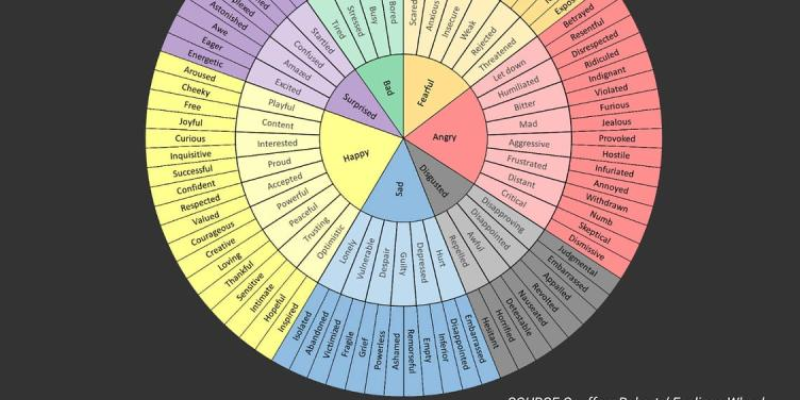
Across psychology, neuroscience, psychotherapy and education, research consistently demonstrates that the ability to identify and label emotions is central to emotion regulation, psychological resilience, and interpersonal effectiveness. Tools such as The Feel Wheel provide a structured and accessible way to develop this essential skill. By offering a visual map of primary and secondary emotions, The Feel Wheel supports individuals in moving beyond vague emotional descriptions towards greater emotional precision. The theory of constructed emotion (Barrett, 2017) suggests that emotions are shaped by conceptual knowledge and language. Empirical studies on affect labelling show that naming emotions reduces amygdala activation and increases prefrontal engagement, thereby supporting regulatory control (Lieberman et al., 2007; Black, 2013). The construct of emotional granularity—the ability to distinguish subtle emotional states—has been associated with lower maladaptive coping and improved mental health outcomes (Kashdan, Barrett & McKnight, 2015; Zaki et al., 2013). Clinical texts emphasise that modern cognitive-behavioural therapy (CBT) and related therapies integrate emotion identification as a foundational skill (Beck, 2011; Leahy, Tirch & Napolitano, 2011; Hofmann, 2015). Educational research similarly shows that structured emotional literacy programmes enhance well-being and social functioning in children (Rivers et al., 2012; Nook & Somerville, 2019). Together, this interdisciplinary evidence positions emotion identification not as a soft skill, but as a scientifically grounded pathway to emotional well-being. 1.0 The Power of Identifying Emotions: A Pathway to Emotional Well-being Emotions are fundamental to human experience. They shape how we think, act, relate to others and interpret the world. Yet many people struggle to answer a deceptively simple question: What exactly am I feeling? We often default to broad terms like “stressed” or “upset”, overlooking the rich nuances of our inner lives. The act of identifying emotions—accurately naming and differentiating feelings—can be transformative. It strengthens emotional intelligence, enhances mental health, and improves relationships. 2.0 The Science Behind Identifying Emotions Contemporary emotion science challenges the idea that emotions are fixed biological reactions. According to Barrett (2017), emotions are constructed by the brain, drawing on past experiences, language and social context. This means that the vocabulary we use to describe feelings shapes how we experience them. A person who can distinguish between “irritated”, “frustrated” and “resentful” is engaging in a more precise emotional construction than someone who simply says “angry”. Neuroscientific research supports this view. Studies on affect labelling show that putting feelings into words reduces activity in the amygdala—the brain’s threat detection centre—while increasing activation in the prefrontal cortex, responsible for reasoning and regulation (Lieberman et al., 2007). In practical terms, naming an emotion such as “anxious” rather than remaining overwhelmed by it can reduce its intensity. Black (2013) found that individuals who labelled negative emotions recovered from low mood more quickly, suggesting that identification itself can be regulatory. This process is not about suppressing emotion but about making it manageable. As Leahy, Tirch and Napolitano (2011) argue in their work on emotion regulation in psychotherapy, awareness and labelling are prerequisites for change. Without identifying the emotion, there is nothing specific to regulate. 3.0 Emotional Granularity: The Skill of Precision The concept of emotional granularity refers to the ability to make fine-grained distinctions between emotional states. Kashdan, Barrett and McKnight (2015) describe it as the difference between experiencing life in “black and white” versus “high-definition colour”. Individuals high in granularity can differentiate between “disappointed”, “discouraged”, and “ashamed” rather than collapsing them into a single category. Research indicates that higher emotional granularity is linked to more adaptive coping strategies. Zaki et al. (2013) found that emotion differentiation can act as a protective factor, reducing harmful behaviours associated with poor regulation. When individuals understand precisely what they feel, they are more likely to respond effectively. Consider two workplace scenarios. In the first, an employee says, “I’m stressed.” In the second, the employee says, “I feel undervalued and frustrated because my efforts were not recognised.” The latter demonstrates granularity. The response to “stress” might be rest; the response to “feeling undervalued” might be a constructive conversation about expectations. Precision guides appropriate action. 4.0 The ‘Feel Wheel’ and Practical Tools Tools such as the ‘Feel Wheel’ provide structured support for developing emotional vocabulary. By presenting primary emotions (e.g., sad, angry, happy, fearful) and branching into more specific descriptors (e.g., lonely, resentful, content, anxious), the wheel encourages deeper reflection. From a developmental perspective, emotion concepts expand over time. Nook and Somerville (2019) show that as children acquire more emotion words, their regulatory abilities improve. Language becomes a scaffold for emotional understanding. In adults, similar principles apply: expanding emotional vocabulary enhances insight and flexibility. 5.0 Emotional Intelligence and Life Outcomes The concept of emotional intelligence (EI), popularised by Goleman (1995), encompasses the capacity to recognise, understand and manage one’s own emotions while responding effectively to others. Emotional identification forms the foundation of EI. Without recognising one’s emotional state, higher-order skills such as empathy and relationship management are compromised. Educational and organisational research suggests that emotional intelligence correlates with improved leadership, reduced burnout and stronger interpersonal relationships (Almheiri, 2021; Bood, 2025). Identifying emotions enables individuals to pause before reacting impulsively, thereby fostering constructive communication. For example, in a family disagreement, a parent who recognises feeling “overwhelmed and worried” rather than simply “angry” may communicate concern rather than lash out. The relational outcome shifts accordingly. 6.0 Therapeutic Applications In psychotherapy, identifying emotions is central to many approaches. Cognitive-behavioural therapy (CBT) encourages clients to link thoughts, emotions and behaviours (Beck, 2011). Emotion identification allows clients to detect patterns such as catastrophising or negative self-appraisal. Hofmann (2015) emphasises that therapy is not solely about challenging thoughts but about understanding emotional processes that sustain them. Moreover, emotion-focused components in therapy explicitly train clients to expand emotional awareness. Vine (2016) describes emotion identification as a transdiagnostic skill, relevant across anxiety, depression and personality disorders. Recent experimental work suggests that even brief online emotion-word learning tasks can enhance negative emotion differentiation and emotional self-efficacy (Matt, Seah & Coifman, 2024). In practice, a client who distinguishes between “guilt” and “shame” may pursue different strategies. Guilt often motivates reparative … Read more

Relaxation Techniques: Managing Stress, Anxiety and Nervousness Effectively

In today’s fast-paced society, many individuals experience persistent stress, anxiety and nervousness, often linked to work pressures, academic demands, social expectations and digital overload. Chronic stress not only affects psychological wellbeing but also contributes to physical health problems such as hypertension, sleep disturbance and weakened immunity (McEwen, 2007; Guyton and Hall, 2021). Consequently, relaxation techniques have become essential tools for promoting mental resilience and restoring physiological balance. Relaxation techniques are structured practices designed to activate the body’s relaxation response, a physiological state characterised by reduced heart rate, lower blood pressure and decreased muscle tension (Benson, 2000). When practised consistently, these methods can significantly improve emotional regulation and overall wellbeing. This article explores evidence-based relaxation techniques and their effectiveness in managing stress and anxiety. 1.0 Understanding the Stress Response Stress activates the sympathetic nervous system, triggering the “fight or flight” response. This leads to the release of cortisol and adrenaline, increased heart rate and heightened alertness (Guyton and Hall, 2021). While adaptive in emergencies, prolonged activation contributes to anxiety disorders and cardiovascular strain (McEwen, 2007). Relaxation techniques counteract this response by stimulating the parasympathetic nervous system, sometimes referred to as the “rest and digest” system. This shift restores physiological equilibrium and promotes calmness. 2.0 Relaxation Techniques 2.1 Deep Breathing Deep breathing, also known as diaphragmatic breathing, is one of the simplest and most accessible relaxation techniques. It involves slow inhalation through the nose, brief breath retention and controlled exhalation through the mouth. Benson (2000) describes how deep breathing triggers the relaxation response, reducing heart rate and muscle tension. Research suggests that paced breathing can lower anxiety levels by regulating autonomic nervous system activity (Jerath et al., 2015). Example: A student experiencing nervousness before an examination may practise slow breathing for five minutes, reducing physical symptoms such as trembling and rapid heartbeat. 2.2 Progressive Muscle Relaxation (PMR) Developed by Jacobson (1938), Progressive Muscle Relaxation (PMR) involves systematically tensing and then relaxing muscle groups from the toes to the head. This enhances body awareness and helps individuals recognise and release physical tension. PMR has demonstrated effectiveness in reducing symptoms of generalised anxiety and insomnia (Davis, Eshelman and McKay, 2008). By consciously releasing muscular tension, individuals experience reduced somatic manifestations of stress. 2.3 Visualisation Visualisation involves imagining oneself in a peaceful environment or successfully navigating a stressful situation. This cognitive rehearsal technique can enhance confidence and emotional control. Globokar (2020) notes that visualisation is widely used in performance psychology to improve outcomes in public speaking and sports. By mentally practising calm behaviour, individuals prime neural pathways associated with positive coping. Example: An employee preparing for a presentation may visualise delivering it confidently, reducing anticipatory anxiety. 2.4 Mindfulness Meditation Mindfulness meditation encourages non-judgemental awareness of present-moment experiences, including thoughts, sensations and emotions. Kabat-Zinn (1994) defines mindfulness as purposeful, present-moment awareness without judgement. Research indicates that mindfulness-based interventions significantly reduce stress, anxiety and depressive symptoms (Khoury et al., 2013). By fostering acceptance rather than avoidance of uncomfortable emotions, mindfulness enhances emotional resilience. Neurobiological studies demonstrate reduced amygdala reactivity following mindfulness practice, suggesting improved emotional regulation (Hölzel et al., 2011). 2.5 Guided Imagery Guided imagery combines elements of visualisation and meditation. Individuals listen to structured audio recordings that guide them through calming scenarios, such as walking along a beach or resting in a forest. Klein (2020) explains that guided imagery helps redirect attention away from intrusive thoughts, promoting relaxation. Clinical studies show that guided imagery can reduce stress and improve coping in medical settings. 2.6 Yoga and Tai Chi Yoga and tai chi integrate gentle movement, controlled breathing and focused attention. These practices enhance flexibility while simultaneously calming the mind. Evidence suggests that yoga reduces cortisol levels and improves mood in individuals experiencing chronic stress (Streeter et al., 2012). Tai chi has similarly been associated with reduced anxiety and improved balance in older adults. Trachman (2024) highlights the therapeutic potential of yoga-based interventions in reducing psychological distress. 2.7 Progressive Relaxation Throughout the Day A flexible version of PMR involves noticing tension in specific muscle groups during daily activities and consciously releasing it. Davis et al. (2008) recommend brief relaxation “check-ins” during work hours to prevent stress accumulation. For example, office workers may pause to relax shoulder and neck muscles after prolonged computer use. 2.8 Aromatherapy Aromatherapy utilises essential oils such as lavender, chamomile and bergamot to promote relaxation. Olfactory stimulation influences the limbic system, which governs emotional responses. The National Association for Holistic Aromatherapy (2024) reports that certain essential oils are associated with reduced anxiety and improved sleep. Lavender oil, in particular, has demonstrated calming effects in clinical studies. 2.9 Listening to Music Music has profound effects on mood regulation. Listening to soothing music or nature sounds can reduce physiological arousal and promote emotional calmness (MacDonald, Kreutz and Mitchell, 2012). Music therapy is increasingly incorporated into healthcare settings to support stress management and recovery. 2.10 Journaling Journaling provides a structured outlet for processing thoughts and emotions. Expressive writing has been associated with improved emotional clarity and reduced psychological distress (Pennebaker and Chung, 2011). Adams (1990) emphasises journaling as a method for self-reflection and problem-solving. Writing before stressful events can help clarify concerns and reduce anticipatory anxiety. 3.0 Integrating Relaxation Techniques into Daily Life Effective stress management often requires combining multiple techniques. For instance: Deep breathing during acute stress Yoga sessions for weekly physical and mental balance Journaling for emotional processing Guided imagery before sleep Consistency enhances benefits. Even short daily practices—10 to 15 minutes—can significantly reduce stress over time. 4.0 Limitations and Considerations While relaxation techniques are highly beneficial, they are not substitutes for professional treatment in severe anxiety disorders. Individuals experiencing persistent or debilitating symptoms should seek medical advice. Moreover, responses vary; some individuals may prefer physical approaches such as yoga, while others benefit more from cognitive methods like journaling or mindfulness. Relaxation techniques provide practical, accessible and evidence-based strategies for managing stress, anxiety and nervousness. By activating the body’s relaxation response and promoting emotional awareness, these methods improve both psychological and physiological wellbeing. From … Read more