Unveiling Authentic Self-Improvement: 10 Paths to Inner Fulfilment and Happiness

Self-improvement is often misconstrued as a superficial transformation—new clothes, aesthetic changes, or social media reinvention. However, authentic self-improvement extends far beyond appearance. It involves moral growth, emotional maturity, strengthened relationships and psychological resilience. Positive psychology emphasises that genuine fulfilment arises not from external polish but from cultivating strengths, meaning and character (Seligman and Csikszentmihalyi, 2000). This article explores ten evidence-informed pathways to inner fulfilment, grounded in textbooks, peer-reviewed research and reputable organisations, demonstrating how personal development is fundamentally an inward journey. 1.0 Uphold Your Dignity: Integrity and Self-Respect Maintaining dignity in a culture dominated by comparison and validation requires self-awareness and integrity. According to Self-Determination Theory, wellbeing increases when behaviour aligns with intrinsic values rather than external rewards (Deci and Ryan, 2000). Individuals who act in accordance with their principles experience greater psychological coherence and life satisfaction. Kernis (2003) distinguishes between fragile and secure self-esteem. Secure self-esteem, rooted in authenticity rather than impression management, predicts emotional stability. For example, refusing to participate in workplace gossip—even at social cost—preserves integrity and self-respect. Thus, dignity fosters internal validation, authenticity and stable wellbeing. 2.0 Extend Forgiveness to Your Parents: Emotional Release and Growth Forgiveness is a powerful yet often overlooked dimension of self-improvement. Holding resentment prolongs stress responses and emotional distress (Worthington, 2006). Forgiveness does not excuse harm but releases the individual from persistent bitterness. Enright and Fitzgibbons (2015) describe forgiveness as a structured emotional process that reduces anger and enhances mental health. Research shows that individuals who practise forgiveness report lower anxiety and depression (Toussaint, Worthington and Williams, 2015). For instance, an adult who reframes parental shortcomings within the context of generational limitations may experience emotional liberation. Forgiveness promotes emotional autonomy and psychological healing. 3.0 Share Your Time and Expertise: Generativity and Altruism True self-improvement involves contributing to others. Erikson’s (1963) theory of psychosocial development identifies generativity—guiding and supporting others—as central to adult fulfilment. Prosocial behaviour enhances wellbeing by fostering meaning and connection (Aknin, Dunn and Norton, 2012). Sharing expertise—whether mentoring a colleague or teaching a skill—strengthens both the giver and receiver. Seligman (2011) highlights meaning and positive relationships as pillars of flourishing. For example, volunteering to tutor disadvantaged students cultivates purpose and reinforces competence. Generosity counters isolation and nurtures community engagement and life satisfaction. 4.0 Confront Your Fears: Resilience and Exposure Comfort zones provide safety but limit growth. Exposure to manageable challenges builds resilience, defined as the capacity to adapt positively to adversity (Southwick and Charney, 2012). Cognitive behavioural approaches demonstrate that gradual exposure reduces fear responses over time (Beck, 2011). Bandura’s (1997) theory of self-efficacy emphasises mastery experiences as the strongest source of confidence. When individuals confront fears—public speaking, career change, social risk—they strengthen belief in their capabilities. For instance, presenting at a community event despite anxiety can transform self-perception. Confronting fears fosters confidence, adaptability and psychological strength. 5.0 Cultivate Deeper Friendships: Social Connection and Belonging Human beings are inherently social. Strong interpersonal relationships are among the most consistent predictors of happiness (Diener and Seligman, 2002). Loneliness, by contrast, increases risk of depression and physical illness (Holt-Lunstad et al., 2015). Deeper friendships require empathy, reliability and vulnerability. Brown and Ryan (2003) demonstrate that mindful presence enhances relational satisfaction. Acts of kindness within friendships strengthen reciprocity and trust (Lyubomirsky, 2008). For example, regularly checking in on a friend during difficult times deepens connection. Investing in relationships promotes belonging, emotional support and shared joy. 6.0 Embrace the Library: Lifelong Learning and Cognitive Vitality Libraries symbolise intellectual curiosity and community engagement. Lifelong learning enhances cognitive flexibility and psychological wellbeing (WHO, 2022). Dweck (2006) argues that adopting a growth mindset fosters persistence and adaptability. Beyond books, libraries offer communal spaces that reduce isolation and promote civic participation. Engaging in reading groups or workshops expands social and intellectual horizons. For instance, attending a free lecture at a local library may inspire new interests and social networks. Learning cultivates mental stimulation, creativity and purpose. 7.0 Pursue Your Passions: Flow and Intrinsic Motivation Pursuing passions activates intrinsic motivation and deep engagement. Csikszentmihalyi (1990) describes the state of flow as complete immersion in meaningful activity, producing joy and fulfilment. Even when financial constraints exist, adapting passions into accessible forms—joining a local club or practising a creative hobby—can sustain identity and motivation. Flow experiences are associated with higher life satisfaction and reduced rumination. For example, gardening, painting or playing music regularly can provide restorative engagement. Passion fosters vitality, self-expression and resilience. 8.0 Limit Screen Time: Attention and Emotional Regulation Excessive screen use has been associated with sleep disruption, reduced social interaction and increased anxiety (Twenge, 2019). Digital overconsumption fragments attention and encourages social comparison. Gross (2002) highlights the importance of emotional regulation, including the ability to manage exposure to stressors. Setting boundaries around screen time protects cognitive resources and emotional wellbeing. For example, replacing evening scrolling with conversation or reading promotes deeper relaxation. Mindful technology use restores focus, presence and authentic connection. 9.0 Embrace Swimming: Physical Activity and Mental Health Physical activity is strongly associated with improved mood and reduced depression (WHO, 2022). Swimming, in particular, combines cardiovascular exercise with rhythmic breathing, which supports parasympathetic activation and stress reduction. Ratey and Loehr (2011) note that exercise increases neurotransmitters such as serotonin and dopamine, enhancing emotional balance. Swimming’s low-impact nature makes it accessible across age groups. For example, a weekly swim can function as both exercise and meditation, promoting holistic wellbeing and stress relief. 10.0 Rise Early: Self-Discipline and Psychological Momentum Rising early can foster self-discipline and intentionality. Morning routines provide structured time for reflection, exercise or planning, enhancing perceived control. Research suggests that conscientious individuals, who demonstrate discipline and organisation, report higher wellbeing (Steel, Schmidt and Shultz, 2008). Using early hours for journalling or quiet reading sets a constructive tone for the day. However, adequate sleep remains essential; early rising should not compromise health (NHS, 2023). When balanced appropriately, rising early cultivates productivity, calm focus and self-efficacy. Integrating the Ten Paths These ten strategies collectively reflect core components of positive psychology: integrity, forgiveness, altruism, resilience, connection, growth, engagement, … Read more


Dementia: Causes, Symptoms and Prevention

Dementia is a broad clinical term describing a progressive decline in cognitive function severe enough to interfere with independent daily living. It is not a single disease but a syndrome caused by various underlying neurological disorders that damage brain cells (Alzheimer’s Association, 2024). Core features include memory loss, difficulty with language or communication, impaired judgment, and changes in mood or behaviour. Globally, more than 55 million people live with dementia, and prevalence is increasing due to ageing populations (World Health Organization (WHO), 2023). Although dementia cannot always be prevented, understanding its causes, recognising its symptoms, and adopting evidence-based preventive strategies may reduce risk or delay onset. 1.0 Causes of Dementia Dementia results from neuronal damage that disrupts communication between brain cells. Different forms of dementia affect distinct brain regions and produce varying symptom patterns. 1.1 Alzheimer’s Disease Alzheimer’s disease is the most common cause of dementia, accounting for approximately 60–70% of cases (WHO, 2023). It is characterised by the accumulation of amyloid-beta plaques and tau neurofibrillary tangles, which interfere with neuronal signalling and eventually lead to cell death (Kumar, Abbas and Aster, 2020). The disease typically begins with subtle short-term memory impairment, such as forgetting recent conversations, appointments or misplaced items. Over time, cognitive decline becomes more widespread. Genetic risk factors include the APOE ε4 allele, although age remains the strongest determinant (Livingston et al., 2020). 1.2 Vascular Dementia Vascular dementia occurs when reduced blood supply damages brain tissue, often due to stroke, transient ischaemic attacks, or chronic small vessel disease (National Institute on Aging, 2024). Unlike Alzheimer’s disease, early symptoms often involve slowed thinking, poor concentration, and difficulties with planning and organisation. Risk factors mirror cardiovascular disease, including hypertension, diabetes, obesity, smoking and high cholesterol (Livingston et al., 2020). 1.3 Lewy Body Dementia Lewy body dementia is caused by abnormal deposits of alpha-synuclein protein, forming Lewy bodies within neurons (Mayo Clinic, 2024). It is characterised by: Fluctuating cognition Visual hallucinations Parkinsonian motor features (e.g., rigidity, tremor) Patients may show marked variation in alertness from day to day. 1.4 Frontotemporal Dementia Frontotemporal dementia (FTD) involves degeneration of the frontal and temporal lobes (Alzheimer’s Association, 2024). It often affects individuals under 65 years. Early symptoms commonly include: Personality and behavioural changes Loss of empathy Language impairment (aphasia) For example, a previously responsible individual may exhibit impulsive or socially inappropriate behaviour. 1.5 Mixed Dementia Mixed dementia involves features of more than one type, most commonly Alzheimer’s disease combined with vascular dementia (Alzheimer’s Association, 2024). 2.0 Symptoms of Dementia Symptoms vary depending on the underlying cause and disease stage. They are typically progressive. 2.1 Cognitive Symptoms The hallmark of dementia is memory loss, particularly affecting recent events. However, other cognitive impairments are equally significant: Difficulty with language or communication (word-finding problems, reduced vocabulary) Impaired judgment and decision-making Problems with attention and concentration Difficulty performing familiar tasks Disorientation to time and place For example, an individual may forget how to operate household appliances or become lost in familiar neighbourhoods. 2.2 Behavioural and Psychological Symptoms Many individuals experience changes in mood or behaviour, including: Depression or anxiety Irritability or agitation Apathy (loss of motivation) Social withdrawal Suspiciousness or paranoia In Alzheimer’s disease, personality changes often occur gradually, whereas in frontotemporal dementia behavioural alterations may appear early. 2.3 Physical Symptoms (Later Stages) As dementia progresses, individuals may develop: Difficulty swallowing Reduced mobility Incontinence Increased vulnerability to infections In Lewy body dementia, motor symptoms such as rigidity and slow movement may be prominent. 3.0 Prevention Strategies Although some risk factors such as age and genetics cannot be modified, research suggests that up to 40% of dementia cases may be linked to modifiable factors (Livingston et al., 2020). 3.1 Healthy Diet A Mediterranean-style diet, rich in fruits, vegetables, whole grains, fish and olive oil, is associated with improved cognitive health (Smith and Burke, 2015). Such diets reduce inflammation and support vascular integrity. 3.2 Regular Physical Exercise Engaging in at least 150 minutes of moderate exercise per week improves cerebral blood flow and reduces cardiovascular risk (Livingston et al., 2020). Activities such as brisk walking or swimming are particularly beneficial. 3.3 Mental Stimulation Participation in intellectually stimulating activities — reading, puzzles, learning new skills — may increase cognitive reserve, helping the brain tolerate pathological changes (Wilson et al., 2007). 3.4 Social Engagement Strong social relationships are protective against cognitive decline (Kuiper et al., 2015). Regular interaction reduces isolation and depression, both risk factors for dementia. 3.5 Management of Chronic Conditions Controlling hypertension, diabetes and hyperlipidaemia reduces vascular injury and lowers dementia risk (Livingston et al., 2020). 3.6 Avoid Smoking and Excessive Alcohol Smoking and heavy alcohol use increase oxidative stress and neuronal damage (Alzheimer’s Society, 2024). Smoking cessation and moderation of alcohol intake are strongly advised. 3.7 Prevention of Head Trauma Repetitive head injuries have been associated with later neurodegenerative disease (Gardner and Yaffe, 2015). Protective measures such as helmets and seat belts are essential. 3.8 Quality Sleep Chronic sleep deprivation is linked to impaired clearance of amyloid-beta (Walker, 2017). Adults should aim for 7–8 hours of restorative sleep each night. Dementia is a progressive and multifactorial syndrome characterised by memory loss, language difficulties, impaired judgment, and changes in mood or behaviour. The principal causes include Alzheimer’s disease, vascular dementia, Lewy body dementia, frontotemporal dementia, and mixed dementia. While not all cases are preventable, evidence supports the role of healthy lifestyle choices, cardiovascular risk management, cognitive engagement and social participation in reducing risk. Promoting lifelong brain health remains a cornerstone in addressing the growing global burden of dementia. References Alzheimer’s Association (2024) What is Alzheimer’s? Available at: https://www.alz.org Alzheimer’s Society (2024) Alcohol and dementia. Available at: https://www.alzheimers.org.uk. Gardner, R.C. and Yaffe, K. (2015) ‘Epidemiology of mild traumatic brain injury and neurodegenerative disease’, Molecular and Cellular Neuroscience, 66, pp. 75–80. Kuiper, J.S. et al. (2015) ‘Social relationships and risk of dementia’, Ageing Research Reviews, 22, pp. 39–57. Kumar, V., Abbas, A.K. and Aster, J.C. (2020) Robbins and Cotran Pathologic Basis of Disease. 10th edn. Philadelphia: Elsevier. Livingston, G. et … Read more

We Rise by Lifting Others

In a world often driven by individualistic pursuits, the concept of “rising by lifting others” stands as a beacon of light, reminding us of the profound impact of kindness, empathy, and support. This mantra encapsulates the essence of communal well-being and underscores the interconnectedness of human existence. 1.0 Cultivating Empathy and Compassion At the heart of lifting others lies the practice of empathy and compassion. By stepping into the shoes of others, we gain a deeper understanding of their struggles, joys, and aspirations. Empathy fosters connection, bridging the gaps that divide us and nurturing a sense of unity within our communities. Research shows that empathy is crucial for building strong social bonds and fostering a cooperative society (American Psychological Association, 2021). 2.0 Fostering Collaboration and Cooperation When we extend a helping hand to others, we create opportunities for collaboration and cooperation. Rather than viewing success as a zero-sum game, we recognise that by lifting each other up, we collectively ascend to greater heights. Collaboration breeds innovation, as diverse perspectives converge to tackle complex challenges with creativity and ingenuity. Studies highlight that workplaces promoting kindness and cooperation see increased overall performance and innovation (Harvard Business Review, 2021). 3.0 Cultivating a Culture of Generosity Acts of kindness, no matter how small, have a ripple effect that extends far beyond their initial impact. By cultivating a culture of generosity, we inspire others to pay it forward, creating a chain reaction of goodwill and positivity. This ripple effect of kindness has been shown to enhance both physical and mental well-being, leading to lower stress levels and improved cardiovascular health (Psychology Today, 2023). 4.0 Nurturing Personal Growth and Fulfilment Paradoxically, the act of lifting others not only benefits those we help but also contributes to our own personal growth and fulfilment. In lifting others, we discover the inherent satisfaction that comes from making a positive difference in someone else’s life. Moreover, by supporting others in their journeys, we gain valuable insights, develop new skills, and cultivate a sense of purpose that transcends individual achievements. Engaging in acts of kindness has been linked to increased happiness and life satisfaction (Neuroscience News, 2022). The principle of rising by lifting others offers a guiding philosophy for building a more compassionate, equitable, and thriving society. As we extend kindness, empathy, and support to those around us, we not only elevate others but also elevate ourselves, forging deeper connections and collectively reaching new horizons of human potential. So let us embrace the transformative power of lifting others, knowing that in doing so, we all rise together. References American Psychological Association (2021) “Cultivating Empathy and Compassion”. [Online]. Available at: https://www.apa.org/monitor/2021/11/feature-cultivating-empathy. [Accessed on 20 May 2024]. Harvard Business Review (2021) “The Power of Collaboration in Fostering Innovation”. [Online]. Available at: https://hbr.org/2021/03/the-power-of-collaboration. [Accessed on 20 May 2024]. Neuroscience News (2022) “The Power of Kindness In Improving Brain Health”. [Online]. Available at: https://neurosciencenews.com/kindness-brain-health-20409/. [Accessed on 20 May 2024]. Psychology Today (2023) “Why Kindness Matters”. [Online]. Available at: https://www.psychologytoday.com/us/blog/why-kindness-matters/2023/05/the-ripple-effect-of-kindness. [Accessed on 20 May 2024].

Problem Solving Skills: Steps to Becoming a Better Problem Solver

Problem solving is one of the most valuable and transferable skills an individual can develop in both professional and personal contexts. It involves identifying, analysing, and resolving challenges in a logical and effective way. In today’s fast-paced and complex world, the ability to think critically and find innovative solutions is increasingly regarded as a key determinant of career success and organisational performance (Smith, 2017). Employers consistently rank problem-solving skills among the most sought-after competencies, as they enable individuals to navigate uncertainty, make informed decisions, and drive continuous improvement (Taylor & Wilson, 2021). The problem-solving process is not simply about finding any solution; it is about finding the right solution to a particular issue using a systematic, evidence-based approach. Below, each step of this process is explained in detail, supported by research and practical examples. 1.0 Identify the Problem The first and most crucial step in effective problem solving is to clearly define and understand the problem. Without a precise understanding of the issue, efforts to resolve it may be misdirected or ineffective (Smith, 2017). Identifying the problem involves recognising the gap between the current situation and the desired outcome. This may require questioning assumptions, gathering preliminary evidence, and clarifying objectives. For instance, in a business context, if customer satisfaction scores are declining, the problem should be defined not merely as “low satisfaction” but more specifically as “customers experiencing delays in service response times.” According to Smith (2017), defining a problem accurately lays the groundwork for targeted and sustainable solutions. Clarity at this stage ensures that the team is aligned and resources are used efficiently. 2.0 Gather Information Once the problem is defined, the next step is to gather relevant data and insights to understand the underlying causes. This stage often involves research, observation, interviews, or consultation with experts (Jones & Brown, 2019). Collecting both quantitative and qualitative data allows for a comprehensive view of the situation. For example, an organisation investigating production delays might collect data on machine downtime, employee performance, and supply chain bottlenecks. As Jones and Brown (2019) note, effective problem solvers do not rely on assumptions; they use evidence-based reasoning to inform their next steps. In some cases, root cause analysis tools such as the “5 Whys” or “Fishbone Diagram” can help identify systemic issues. 3.0 Generate Possible Solutions After gathering information, the next phase is brainstorming and generating multiple possible solutions. This stage encourages creativity, collaboration, and open-minded thinking. Clark and Thomas (2020) emphasise that brainstorming sessions should be non-judgmental to foster a safe environment where diverse ideas can flourish. A practical example can be seen in the design thinking process used by organisations such as IDEO, where teams are encouraged to produce a wide range of potential ideas before narrowing them down. By considering multiple perspectives, teams are more likely to develop innovative and effective solutions that address both immediate symptoms and root causes. 4.0 Evaluate Solutions Once potential solutions are generated, the next step is to evaluate and compare their feasibility and effectiveness. According to Roberts et al. (2018), evaluation requires considering practicality, cost, time, risk, and alignment with goals. Decision-making frameworks such as SWOT analysis (Strengths, Weaknesses, Opportunities, and Threats) or cost-benefit analysis are particularly useful at this stage. For example, a company trying to reduce staff turnover might evaluate whether offering higher salaries or improving workplace culture would be more effective. Roberts et al. (2018) suggest that the best solutions often balance short-term feasibility with long-term sustainability. This step ensures that decisions are rational, data-driven, and strategically sound. 5.0 Choose the Best Solution After evaluating all options, it is essential to select the most suitable solution. This requires careful judgement and sometimes the courage to make difficult choices. Miller (2016) notes that the chosen solution should align with available resources, organisational priorities, and the potential for long-term success. In practice, this might mean selecting a solution that addresses the problem gradually rather than opting for an immediate but unsustainable fix. For example, an education institution facing declining student engagement may choose to implement small, incremental curriculum changes instead of a full-scale redesign. According to Miller (2016), decision-making at this stage should also consider risk management and stakeholder impact. 6.0 Implement the Solution With the solution chosen, the next step is implementation. This involves developing a clear action plan, assigning responsibilities, allocating resources, and communicating effectively with stakeholders (Taylor & Wilson, 2021). Implementation is where theoretical ideas become practical realities. Successful implementation often requires collaboration across departments and ongoing monitoring to ensure progress. For instance, a healthcare organisation aiming to improve patient satisfaction might introduce a new digital appointment system. To implement it successfully, staff must be trained, systems must be tested, and patients informed. Taylor and Wilson (2021) emphasise that clear communication and stakeholder engagement are essential for reducing resistance and ensuring smooth execution. 7.0 Evaluate the Outcome After implementation, it is critical to assess the effectiveness of the solution. Evaluation involves measuring outcomes, analysing feedback, and determining whether the problem has been resolved (Brown, 2018). Monitoring progress helps identify gaps or unintended consequences early on. For example, if a new marketing strategy fails to improve customer engagement, data analysis might reveal that the issue lies not in messaging but in platform choice. Brown (2018) stresses that post-implementation evaluation provides opportunities to refine strategies and make data-informed adjustments. Continuous evaluation transforms problem solving from a one-time task into a cycle of ongoing improvement. 8.0 Learn from the Process The final stage of problem solving is reflection and learning. This involves reviewing the entire process to identify what worked well, what could be improved, and how similar challenges can be approached more effectively in the future (Johnson, 2019). Reflective practice enhances critical thinking, self-awareness, and professional growth. For example, a project team that reflects on a failed initiative might discover that poor communication or unclear objectives were the root causes. Learning from these insights allows for better planning and execution in future projects. Johnson (2019) argues that learning from both success and … Read more

Adaptability and Flexibility Skills: Why They Matter for Career Success

✧ The modern workplace rarely stands still. New technologies emerge at speed, job roles evolve, organisations restructure, and global events can alter working patterns almost overnight. In this climate, Adaptability and Flexibility Skills have become central to professional success. These qualities are no longer viewed as optional strengths possessed by only a few high performers. Instead, they are increasingly recognised as core career competencies that support employability, resilience and long-term growth in changing environments (Smith, 2019). Within professional settings, adaptability refers to the capacity to adjust effectively to new situations, expectations or challenges. Flexibility refers to the willingness and ability to alter behaviour, priorities or ways of thinking in response to changing demands. While the two terms are closely linked, together they form a broader capability that enables individuals to respond constructively to uncertainty. In practice, Adaptability and Flexibility Skills support better decision-making, stronger collaboration, improved performance and a more sustainable response to change (Jones and Brown, 2020). As work continues to be shaped by digital transformation, economic pressure and shifting organisational cultures, these skills are increasingly associated with both individual and organisational success. 1.0 Understanding Adaptability and Flexibility Skills 1.1 What Adaptability and Flexibility Skills mean At a basic level, Adaptability and Flexibility Skills allow individuals to respond effectively when routines, systems or expectations change. Rather than resisting disruption, adaptable professionals are able to reassess circumstances, learn quickly and adjust their approach. Flexible professionals, meanwhile, can modify their behaviour, communication style or working methods to meet new requirements. These skills are valuable because most workplaces are no longer predictable in a traditional sense. Hybrid working, automation, global competition and evolving customer expectations require employees to think and act with greater agility. According to Smith (2019), professionals who can adjust to change are more likely to remain effective under pressure and maintain relevance in competitive labour markets. In this sense, Adaptability and Flexibility Skills are strongly linked to career longevity. 1.2 Why These Skills Matter in Contemporary Careers The importance of Adaptability and Flexibility Skills extends beyond coping with disruption. They also support innovation, employability and confidence. Employers increasingly seek candidates who can move between tasks, learn unfamiliar systems and contribute positively during periods of transition. This is especially true in sectors shaped by rapid change, such as technology, healthcare, finance and education. For example, the widespread shift to remote and hybrid working during the COVID-19 period demonstrated the value of rapid adjustment. Teams that adapted quickly to digital platforms, virtual collaboration and revised workflows were often better able to sustain productivity and communication (Deloitte, 2021). This illustrated that Adaptability and Flexibility Skills do not merely help individuals survive change; they help organisations continue to function effectively. 2.0 Embracing Change Through Adaptability and Flexibility Skills 2.1 Seeing Change as an Opportunity A major aspect of Adaptability and Flexibility Skills is the ability to embrace change rather than fear it. In dynamic workplaces, change may involve new leadership, updated technology, revised targets or entirely new ways of working. Those who respond with openness are often better placed to identify opportunities for learning and improvement. Jones and Brown (2020) argue that employees who approach change positively are more likely to succeed during transitions because they are less likely to become immobilised by uncertainty. This mindset can be seen in organisations that introduced remote working technologies at speed. Rather than viewing digital change purely as a disruption, adaptable employees treated it as an opportunity to build new competencies and maintain engagement. 2.2 Supporting Organisational Responsiveness When change is embraced at an individual level, organisations are often better able to respond collectively. Deloitte (2021) reports that workplaces with cultures of agility and responsiveness were better prepared to manage uncertainty and preserve collaboration during disruption. This suggests that Adaptability and Flexibility Skills are not only personal attributes but also contributors to organisational resilience. 3.0 Problem-Solving and Creative Adjustment 3.1 Flexible Thinking in Complex Situations Problem-solving is one of the clearest signs of strong Adaptability and Flexibility Skills. When unexpected obstacles arise, adaptable professionals do not rely solely on routine responses. Instead, they evaluate the situation, consider alternatives and test practical solutions. This involves both critical thinking and creative thinking, which together support better judgement under pressure (Robinson and Patel, 2018). For instance, during supply chain disruption, businesses often need staff who can review suppliers, re-prioritise operations and communicate revised expectations quickly. In such cases, rigid thinking can delay recovery, whereas flexible thinking can support continuity. Harvard Business Review (2021) notes that organisations displaying adaptive problem-solving during crises were often better able to maintain operations and customer service. 3.2 Resourcefulness and Strategic Agility Adaptable problem-solvers are often marked by resourcefulness. They work with available information, reassess constraints and shift strategies when circumstances demand it. These qualities are highly valued in leadership, project management and client-facing roles, where uncertainty is common. 4.0 Resilience as a Core Career Strength 4.1 Recovering from Setbacks Resilience is closely connected to Adaptability and Flexibility Skills because it enables individuals to recover from difficulty without losing direction. Setbacks at work may include rejected proposals, missed targets, high workloads or periods of organisational instability. Resilient individuals are more likely to respond constructively, learn from the experience and continue performing effectively (Clark and Davies, 2019). This is especially important in fast-moving sectors and start-up environments, where uncertainty can be frequent. Rather than seeing setbacks as final failure, resilient professionals tend to interpret them as part of a process of adjustment and development. 4.2 Reducing the Negative Impact of Uncertainty Clark and Davies (2019) found that resilient employees were more likely to recover quickly from work-related stress. This is significant because constant change can create emotional and practical pressure. Adaptability and Flexibility Skills, supported by resilience, help to reduce the negative effects of uncertainty by encouraging constructive coping strategies and a stronger sense of control. 5.0 Open-Mindedness and Learning from Others 5.1 Welcoming Different Perspectives Another important dimension of Adaptability and Flexibility Skills is open-mindedness. This involves being willing to consider alternative ideas, listen … Read more

Leadership: Skills for Guiding and Inspiring Others

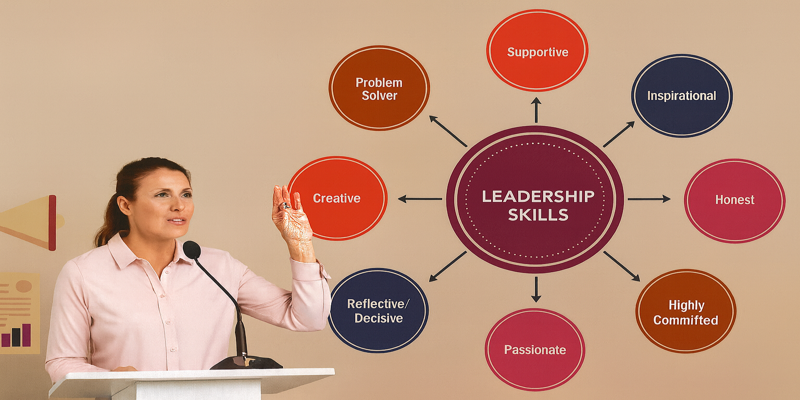
Leadership skills are essential in today’s complex and interconnected world. They refer to the abilities and qualities that enable individuals to effectively guide, motivate, and influence others toward achieving shared goals or objectives (Davis, 2020). These skills are not limited to formal positions of authority; they are equally important in community projects, non-profit organisations, and even informal group settings. Strong leadership skills encompass a wide range of competencies that help leaders inspire confidence, foster collaboration, and drive positive change. While leadership can be shaped by personality traits, research shows that leadership skills can be learned, developed, and refined (Northouse, 2018). Effective leaders demonstrate proficiency across multiple domains, including communication, decision-making, emotional intelligence, strategic thinking, adaptability, and integrity. This article explores the most critical leadership skills, provides examples of their application, and discusses their relevance in guiding and inspiring others. 1.0 Communication Communication is consistently identified as one of the most vital leadership skills. Effective leaders articulate their vision, goals, and expectations clearly and persuasively, ensuring that team members understand the organisation’s direction (Jones & Brown, 2020). Communication is not one-sided; it also involves active listening and creating opportunities for open dialogue. For example, Satya Nadella, CEO of Microsoft, transformed the company’s culture by prioritising clear communication and open feedback channels, which encouraged collaboration and innovation (Smith, 2019). Good communication also reduces misunderstandings, builds trust, and fosters a sense of belonging among team members. 2.0 Empathy Empathy allows leaders to connect with others on a personal and emotional level. Empathetic leaders strive to understand the perspectives, feelings, and needs of their team members (Robinson et al., 2018). They demonstrate compassion and provide support, creating an environment where individuals feel valued and respected. For instance, during the COVID-19 pandemic, empathetic leaders who acknowledged employee challenges—such as remote work pressures and health concerns—were more successful in maintaining morale and productivity. By practising empathy, leaders build trust and loyalty, which strengthens team cohesion. 3.0 Decision-making Decision-making is at the core of leadership. Leaders must make timely, well-informed choices that consider the interests of multiple stakeholders (Taylor, 2021). Effective decision-making requires balancing data-driven analysis with intuition, and the courage to make difficult calls in uncertain conditions. For example, New Zealand’s Prime Minister Jacinda Ardern was widely praised for her decisive leadership during the early stages of the pandemic, making rapid policy decisions that prioritised public health. Decisive leaders instil confidence and provide clarity in times of ambiguity. 4.0 Problem-solving Strong leaders excel at problem-solving, approaching challenges with creativity and resourcefulness (Miller & White, 2017). Instead of reacting defensively, they view obstacles as opportunities to innovate and improve processes. A practical example is Elon Musk’s leadership at SpaceX, where complex engineering problems were tackled with critical thinking and experimentation. Although not without failures, this problem-solving culture eventually led to groundbreaking achievements, such as the successful reuse of rockets. Leaders who model resilience and learning in the face of setbacks inspire teams to adopt the same approach. 5.0 Strategic Thinking Strategic thinking enables leaders to maintain a long-term perspective, envisioning the future of their organisation or team (Johnson, 2016). It involves analysing market trends, anticipating threats, and seizing opportunities. Jeff Bezos’ leadership at Amazon illustrates strategic thinking. His early focus on expanding the company’s reach from books to a wide range of consumer goods reflected a long-term vision that positioned Amazon as a global leader in e-commerce. Strategic leaders balance immediate performance with long-term sustainability. 6.0 Delegation Delegation is the ability to assign tasks and responsibilities appropriately, empowering others to contribute their skills (Brown & Wilson, 2019). Effective leaders understand that they cannot manage everything themselves and that involving others promotes ownership and accountability. For instance, Richard Branson, founder of the Virgin Group, emphasises delegating authority to managers across his companies, trusting them to make decisions while he focuses on broader strategy. Delegation not only lightens the leader’s workload but also develops team members’ competencies. 7.0 Conflict Resolution Conflict is inevitable in any team or organisation. Effective leaders possess strong conflict resolution skills, enabling them to mediate disputes constructively and maintain harmony (Davis, 2020). This requires fairness, impartiality, and a focus on finding mutually acceptable solutions. A good example is Nelson Mandela, whose leadership in post-apartheid South Africa emphasised reconciliation rather than revenge. His ability to manage deep-rooted conflicts through dialogue and compromise helped build a foundation for national unity. Leaders who manage conflict well create environments that prioritise respect and collaboration. 8.0 Inspiration and Motivation Great leaders are not only managers of tasks but also sources of inspiration and motivation. By setting a positive example, expressing confidence in their team, and recognising contributions, leaders energise individuals to perform at their best (Clark & Turner, 2018). Sports leaders provide excellent examples. Sir Alex Ferguson, former manager of Manchester United, inspired players through high expectations and personal mentorship, leading the team to unprecedented success. Inspirational leadership fuels engagement, commitment, and peak performance. 9.0 Adaptability In an era of rapid technological change, adaptability is a critical leadership skill. Leaders must demonstrate resilience and flexibility when navigating uncertainty (Garcia & Martinez, 2019). For instance, companies like Netflix succeeded because their leaders adapted from a DVD rental model to a digital streaming platform, anticipating industry shifts. Adaptable leaders embrace change as an opportunity rather than a threat, modelling composure and innovation for their teams. 10.0 Integrity Finally, integrity is a foundational leadership skill. Leaders who demonstrate honesty, transparency, and accountability build trust and credibility (Wilson & Thompson, 2021). Without integrity, other leadership skills may fail to inspire lasting loyalty. An example is Paul Polman, former CEO of Unilever, who prioritised sustainability and ethical business practices, often at the expense of short-term profits. His integrity established Unilever as a leader in corporate responsibility, proving that ethical leadership can coexist with commercial success. Developing Leadership Skills Developing leadership skills requires self-awareness, reflection, and continuous learning. Methods include: Formal training such as leadership development programmes and workshops. Mentorship, where experienced leaders guide emerging ones. Experiential learning, where leaders develop through real-world challenges and … Read more

Teamwork: An Overview of Key Aspects of Teamworking

Teamwork plays a pivotal role in the success of organisations and the achievement of collective goals. In an increasingly complex and globalised work environment, the ability to collaborate effectively has become a defining characteristic of high-performing teams. According to Smith (2019), teamwork not only enhances efficiency but also promotes innovation and resilience within organisations. When individuals unite around shared objectives, they bring together a diverse range of skills, experiences, and ideas, which leads to better problem-solving and improved outcomes (Jones et al., 2020). This article explores the key aspects of effective teamwork, including communication, collaboration, trust, respect, roles and responsibilities, problem-solving, adaptability, and feedback and reflection. Each of these elements is essential for cultivating a positive and productive team environment where individuals feel valued, supported, and motivated to contribute to shared success. 1.0 Communication Clear and open communication is the cornerstone of effective teamwork. As Brown and Davies (2018) emphasise, successful teams rely on transparent dialogue that ensures information flows seamlessly among members. Effective communication prevents misunderstandings, clarifies expectations, and allows ideas to be shared freely. In high-functioning teams, members feel comfortable expressing their thoughts, offering feedback, and raising concerns without fear of criticism. For example, in agile project teams, regular “stand-up” meetings promote rapid communication and alignment, ensuring all members remain informed and engaged. Moreover, non-verbal communication—such as active listening, tone of voice, and body language—plays a crucial role in reinforcing understanding and trust (Garcia & Nguyen, 2019). By cultivating a culture of openness, teams can strengthen relationships and enhance collaboration. 2.0 Collaboration Collaboration refers to the collective effort of team members working towards a shared objective. It involves leveraging each individual’s unique skills, expertise, and perspectives to achieve common goals. Robinson and Patel (2017) argue that collaboration thrives when team members share accountability and demonstrate mutual support. A good example is found in multidisciplinary healthcare teams, where doctors, nurses, and therapists collaborate to deliver comprehensive patient care. Each professional brings a specialised skill set, but their collaboration ensures holistic treatment. Similarly, in business environments, cross-functional teams drive innovation by combining marketing, design, and technology expertise. True collaboration requires psychological safety, where individuals feel empowered to share creative ideas without fear of rejection. As Jones et al. (2020) highlight, diversity of thought fuels innovation—when teams collaborate across disciplines and backgrounds, they are more likely to produce novel and effective solutions. 3.0 Trust Trust forms the foundation upon which all successful teams are built. Without trust, collaboration becomes fragmented, and communication breaks down. Thompson (2016) asserts that trust develops when team members consistently demonstrate integrity, competence, and reliability. When individuals trust one another, they can delegate responsibilities confidently and focus on collective outcomes rather than personal gain. Trust also enables constructive conflict resolution, as members are more likely to engage in open discussions rather than avoid disagreements. For instance, research in virtual teams shows that building trust early—through consistent communication and fulfilment of commitments—leads to greater cohesion and productivity (Turner & Green, 2021). Therefore, leaders must actively nurture trust by modelling transparency, fairness, and respect. 4.0 Respect Mutual respect underpins a positive team culture. It involves acknowledging and valuing the diverse contributions and viewpoints of every team member. Garcia and Nguyen (2019) emphasise that when individuals feel respected, they are more willing to engage actively in discussions and share their insights. Respectful environments encourage inclusivity and psychological safety, where all voices—regardless of hierarchy or background—are heard. In a study on workplace behaviour, Mills and Cooper (2018) found that teams that prioritised respect experienced fewer conflicts and demonstrated higher levels of motivation and satisfaction. For example, global teams working across cultural boundaries must demonstrate respect for different communication styles and norms. This respect fosters intercultural competence, essential in today’s globalised workforce. 5.0 Roles and Responsibilities Clearly defined roles and responsibilities are crucial for team efficiency. Ambiguity can lead to confusion, duplication of effort, or gaps in accountability. According to Clark and Lewis (2020), when team members understand their roles, they can focus on their individual contributions while aligning with collective goals. For example, in project management frameworks such as RACI (Responsible, Accountable, Consulted, Informed), each team member’s function is clearly articulated. This structure enhances coordination and ensures accountability. Effective leaders also rotate responsibilities periodically to build competence and maintain engagement. When roles are well-defined, teams operate with clarity and purpose, resulting in improved productivity and reduced conflict. 6.0 Problem-solving Problem-solving is a defining characteristic of high-performing teams. Teams inevitably face challenges, and their ability to navigate these collaboratively determines long-term success. Mills and Cooper (2018) highlight that effective teams employ creative problem-solving techniques, such as brainstorming, root-cause analysis, and design thinking, to generate innovative solutions. Collaborative problem-solving not only leverages the collective intelligence of the team but also strengthens cohesion. For example, Toyota’s “Kaizen” model empowers workers at all levels to suggest and implement improvements, fostering a culture of shared problem ownership. Similarly, tech firms like Google use “sprints”—short, focused problem-solving sessions—to test and refine ideas quickly (Jones et al., 2020). Encouraging open-mindedness and experimentation enables teams to tackle complex challenges effectively and adapt to evolving circumstances. 7.0 Adaptability In the modern workplace, adaptability has become essential. Teams must respond swiftly to market changes, new technologies, and shifting priorities. Baker and Taylor (2019) assert that adaptability involves flexibility, resilience, and a willingness to embrace change. Adaptive teams thrive because they continuously learn and evolve. They treat challenges as opportunities for innovation rather than obstacles. A practical example is evident in remote and hybrid work environments, where adaptability determines success. Teams that can adjust communication methods, work patterns, and technologies maintain high levels of engagement and productivity. Moreover, emotional intelligence plays a key role in adaptability—teams that can manage stress and uncertainty collaboratively are more likely to remain cohesive and motivated (Brown & Davies, 2018). 8.0 Feedback and Reflection Continuous feedback and reflection are essential for growth and improvement. According to Turner and Green (2021), feedback should be regular, constructive, and focused on development rather than criticism. Reflection allows teams to … Read more

Negotiation Skills: Power of Persuasion

Negotiation is an essential skill in both personal and professional life, influencing outcomes ranging from salary discussions and business deals to conflict resolution and daily interactions. It is defined as the process through which parties with differing interests or needs engage in dialogue to reach a mutually acceptable agreement (Lewicki, Saunders & Barry, 2015). Effective negotiation is not merely about compromise; it involves strategic communication, persuasion, emotional intelligence, and relationship management. As Fisher, Ury and Patton (2011) emphasise, negotiation is most successful when approached with collaboration and problem-solving rather than confrontation. The power of persuasion lies at the heart of effective negotiation. Persuasion involves influencing others through logic, credibility, and emotional appeal to achieve a shared objective. This essay explores the critical components of negotiation competence—preparation, communication, emotional regulation, flexibility, and relational intelligence—supported by contemporary research, case studies, and negotiation theory. 1.0 Prepare Thoroughly Preparation is the foundation of any successful negotiation. As Smith (2018) asserts, “a negotiator’s success is largely determined before the conversation even begins.” Understanding one’s goals, priorities, and alternatives equips negotiators with clarity and confidence. Effective preparation entails three key elements: Knowing your objectives – identifying what you want to achieve and determining your minimum acceptable outcome. Researching the other party – understanding their interests, pressures, and decision-making style. Gathering evidence – supporting your arguments with data, case studies, or precedents. For instance, a procurement manager negotiating with a supplier might prepare by analysing market prices, quality benchmarks, and delivery capabilities. Thorough preparation builds credibility and allows negotiators to anticipate objections and respond persuasively. As Lewicki et al. (2015) note, preparation enhances one’s strategic flexibility, enabling adaptation as new information emerges. 2.0 Listen Actively Active listening is one of the most powerful yet underrated tools in negotiation. It involves focusing fully on the other party’s words, tone, and body language to understand both explicit statements and underlying motivations. According to Jones and Brown (2019), active listening allows negotiators to identify hidden interests and detect potential areas for compromise. Demonstrating attentiveness—through nodding, paraphrasing, and asking clarifying questions—creates psychological safety, encouraging openness. For example, when negotiating team workloads, managers who listen empathetically to employees’ constraints are better able to design flexible solutions that meet both organisational and personal needs. Active listening is also central to building trust, a prerequisite for persuasion. As Rogers and Farson’s (1957) concept of empathic listening demonstrates, genuine attention fosters connection, making counterparts more receptive to influence and collaboration. 3.0 Communicate Clearly In negotiation, clarity of communication determines how effectively messages are understood and perceived. Davis (2020) argues that vague or ambiguous language often leads to misunderstandings and weakens persuasive impact. Effective negotiators use concise, confident, and positive language, avoiding jargon and emotional triggers. Non-defensive phrasing such as “Can we explore another option?” encourages dialogue rather than confrontation. Tone, pace, and articulation also convey credibility—speaking calmly and purposefully signals control and professionalism. A practical example comes from sales negotiations: a representative who explains pricing and product value clearly, supported by factual comparisons, is more likely to secure agreement than one who relies on abstract persuasion. Transparency and simplicity build credibility, which is fundamental to persuasion. 4.0 Be Flexible Flexibility is vital in maintaining momentum and achieving mutually beneficial outcomes. Robinson et al. (2021) note that rigid adherence to positions often leads to deadlock, whereas adaptive negotiators focus on creative problem-solving. Being flexible does not mean conceding easily but rather reframing perspectives and identifying win-win possibilities. For instance, in cross-border business negotiations, cultural sensitivity and willingness to adjust timelines or contract terms often result in stronger, more sustainable agreements. Flexibility also includes emotional adaptability—the ability to regulate one’s emotions and remain open to new information. As Taylor (2020) explains, emotional intelligence enhances resilience during tense discussions, allowing negotiators to pivot strategies without losing composure. 5.0 Maintain a Positive Relationship Negotiation outcomes are shaped not only by logic but also by the quality of relationships between parties. Garcia and Martinez (2019) found that rapport, trust, and mutual respect significantly increase the likelihood of successful agreements. Maintaining professionalism—even during disagreement—ensures long-term cooperation. A positive relationship involves demonstrating empathy, fairness, and respect. Using inclusive language such as “we” instead of “you versus me” reinforces collaboration. For example, a manager negotiating project deadlines with a team should acknowledge workload pressures while jointly exploring feasible adjustments. Relationship building also aligns with interest-based negotiation, as outlined by Fisher et al. (2011), where mutual understanding and respect create lasting partnerships beyond the immediate transaction. 6.0 Stay Calm and Patient Negotiation is as much a test of patience as it is of intellect. Taylor (2020) emphasises that maintaining calm composure under pressure enhances strategic thinking and prevents emotional escalation. Negotiators who appear agitated risk undermining their credibility and leverage. Practising self-regulation techniques such as deep breathing or short breaks can help manage stress. In high-stakes negotiations—such as mergers or international diplomacy—deliberate pacing allows time for reflection and prevents impulsive decisions. As Lewicki et al. (2015) suggest, patience is a persuasive tool; those who remain calm often influence counterparts who become impatient. 7.0 Know Your BATNA Understanding one’s BATNA (Best Alternative to a Negotiated Agreement) provides leverage and confidence. Coined by Fisher et al. (2011), BATNA represents the most advantageous course of action if the negotiation fails. Clark and White (2017) argue that knowing your BATNA helps negotiators set boundaries and recognise when to walk away from unfavourable deals. For example, a job candidate negotiating a salary who knows they have another offer can negotiate assertively without fear of losing all opportunities. Conversely, lacking a strong BATNA may lead to unnecessary concessions. Therefore, clarifying your alternatives strengthens persuasion by shifting the power dynamic in your favour. 8.0 Focus on Interests, Not Positions Kumar and Patel (2022) advocate for interest-based negotiation, where the focus lies on underlying needs rather than fixed demands. For example, two departments arguing over budget allocation may find common ground by exploring shared goals—such as improving efficiency—rather than competing over limited resources. This principle reflects the Harvard Negotiation Project’s philosophy … Read more

How To Conduct Effective Meetings in the Workplace

In today’s fast-paced professional environments, meetings remain one of the most vital tools for collaboration, communication, and decision-making. However, poorly managed meetings can lead to wasted time, reduced engagement, and unclear outcomes. Research indicates that ineffective meetings contribute to lost productivity and decreased employee satisfaction (Barrett, 2014). Therefore, conducting meetings effectively requires careful preparation, strong facilitation, clear decision-making, and structured follow-up. This essay discusses the principles and practices for conducting effective workplace meetings, supported by academic literature, professional communication theories, and real-world examples. 1.0 Preparation The foundation of a successful meeting is thorough preparation. According to Barrett (2014), effective meetings begin long before participants enter the room. The organiser must define the purpose, prepare a clear agenda, invite the right participants, and ensure all materials are ready. Define the Purpose The first step in planning a meeting is to clarify its purpose. Meetings can serve various objectives such as decision-making, brainstorming, status updates, or problem-solving. Without a clear objective, meetings often drift aimlessly, wasting valuable time. For instance, a project team meeting should specify whether its purpose is to review progress, allocate resources, or address specific challenges. Barrett (2014) emphasises that defining the purpose ensures that all participants understand the desired outcome, enabling them to prepare meaningfully. Create an Agenda A well-structured agenda acts as the roadmap for a productive meeting. It outlines key topics, allocates time for each, and sets expectations for discussion. Distributing the agenda beforehand allows participants to prepare their input and review necessary materials. Froemling (2017) suggests that clear agendas reduce ambiguity and keep discussions focused. For example, an agenda for a weekly operations meeting may include items such as performance updates, key challenges, and planning for the upcoming week. Using time allocations for each item helps maintain focus and prevents discussions from overrunning. Invite the Right People Inviting relevant participants is critical to maintaining efficiency. Meetings should include individuals whose input is essential for decision-making or who are directly affected by the outcomes. Over-inviting can lead to unnecessary discussions, while under-inviting risks missing crucial perspectives (Smith, 2019). For example, a strategic planning meeting should include department heads and decision-makers rather than all employees. Prepare Materials To support effective discussions, organisers must gather and distribute relevant documents such as reports, data analyses, or presentations in advance. This allows attendees to come prepared with insights and questions. According to Barrett (2014), pre-distribution of materials not only saves time during the meeting but also encourages a more informed and analytical dialogue. 2.0 Facilitation Once preparation is complete, the focus shifts to facilitating the meeting effectively. This involves managing time, guiding discussion, and ensuring participation from all attendees. Start on Time Starting promptly signals professionalism and respect for participants’ time. Meetings that consistently begin late often foster disengagement and inefficiency (Smith, 2019). Setting a clear start time and adhering to it encourages punctuality and accountability. Set Ground Rules Establishing ground rules early in the meeting helps maintain order and mutual respect. Common rules include avoiding interruptions, staying on topic, and limiting the use of mobile devices. Bales (1953) notes that successful group interactions require clear expectations to balance participation and maintain equilibrium within teams. Stick to the Agenda It is easy for discussions to deviate from their intended focus. Effective facilitators use polite but firm redirection techniques to keep the meeting on track. For example, a chairperson might say, “That’s a valuable point, but let’s return to it at the end if time allows.” Staying focused ensures that objectives are met within the designated timeframe. Encourage Participation Meetings thrive when all voices are heard. Facilitators should create an environment where participants feel comfortable contributing their ideas. Smith (2019) argues that inclusive meetings promote better problem-solving and innovation. Techniques such as round-robin sharing, brainstorming, and direct questioning can help draw input from quieter members. For instance, in brainstorming sessions, setting a rule that “no idea is a bad idea” encourages creativity without fear of judgement. Manage Time Time management is crucial to maintaining momentum. Assigning a timekeeper or using visual cues such as timers helps prevent prolonged discussions. Froemling (2017) highlights that meetings that respect time limits enhance participant satisfaction and productivity. Ending discussions promptly also leaves time for summarising and clarifying decisions. Summarise Key Points Throughout the meeting, facilitators should periodically summarise discussions, highlight decisions, and confirm understanding. This helps reinforce key points and ensures alignment. A concise summary at the end outlining action items and next steps helps prevent confusion or miscommunication after the meeting. 3.0 Decision-Making A key function of many meetings is reaching decisions that move projects and organisations forward. This requires a balance between structure and open discussion. Facilitate Consensus Building consensus ensures that decisions are widely supported and sustainable. Bales (1953) suggests that group cohesion improves when members feel their input has been acknowledged. For example, in a departmental meeting discussing a new policy, allowing each stakeholder to voice their perspective fosters ownership of the final decision. Use Structured Decision-Making Methods Structured methods like SWOT analysis, brainstorming, or pros-and-cons evaluation can enhance clarity and prevent bias. These frameworks help participants consider all angles before reaching conclusions. Barrett (2014) argues that structured decision-making reduces conflict and promotes rational, evidence-based outcomes. For example, when evaluating new software for a company, using a SWOT analysis enables teams to assess strengths, weaknesses, opportunities, and threats systematically. 4.0 Follow-Up The final stage of an effective meeting is follow-up. Many well-run meetings fail to have an impact because action steps are not clearly communicated or tracked. Document Meeting Minutes Recording accurate meeting minutes ensures accountability and clarity. Minutes should include key decisions, assigned responsibilities, deadlines, and any resources required (Smith, 2019). Distributing them promptly reinforces understanding and helps track progress. For instance, project managers often use shared documents or digital tools like Microsoft Teams or Trello to monitor action items collaboratively. Assign Action Items Every decision made in a meeting should translate into clear, actionable tasks. Assigning specific individuals to tasks ensures ownership and accountability. As Barrett (2014) advises, … Read more

Customer Pain Points: Identifying Customer Concerns and Tips to Address Them

Customer pain points are the specific problems, frustrations, or obstacles that customers encounter when interacting with a product, service, or brand (Brown, 2019). These pain points may stem from poor service, overly complex processes, or unmet expectations. Identifying and addressing pain points is essential for businesses, as it enables them to create superior experiences that drive satisfaction, loyalty, and retention (Forbes, 2018). In competitive markets, solving customer pain points is often what differentiates successful brands from those that lose customers to rivals. Understanding the Importance of Customer Pain Points According to Bhalla (2020), recognising pain points is a foundation for customer-centric strategy. When businesses understand where customers face challenges, they can proactively implement solutions that not only resolve concerns but also create competitive advantages. Forbes (2018) highlights that companies that address pain points directly benefit from increased trust, stronger customer relationships, and positive word-of-mouth marketing. For example, Spotify identified the pain point of limited music access and ownership in traditional models and created a subscription-based streaming service. This innovation addressed a core frustration and revolutionised the music industry. Common Customer Pain Points Across Industries 1.0 Poor Customer Service Unhelpful or unresponsive customer service is a major source of frustration (Tuten & Solomon, 2018). Long wait times, poor complaint handling, or unfriendly representatives can damage customer trust. For example, many telecom companies receive negative feedback for lengthy call-centre queues. 2.0 Complexity Complicated processes or difficult-to-use products discourage customers (Fisher & Pride, 2020). Overly complex websites, confusing forms, or poorly designed apps can lead to high abandonment rates. Simplicity is now a competitive advantage, as seen in Apple’s intuitive product design. 3.0 Lack of Personalisation Generic, irrelevant experiences fail to meet modern expectations. Customers increasingly expect services tailored to their preferences (Kumar, 2019). Brands like Netflix excel by offering personalised recommendations, while those that fail to personalise risk alienating users. 4.0 High Prices Perceptions of overpricing, especially when value is unclear, are a common barrier (Solomon et al., 2020). Businesses must balance profitability with perceived fairness. For instance, discount airlines provide low-cost options but can frustrate customers if extra fees are hidden. 5.0 Quality Issues Unreliable or defective products erode trust. Pride and Ferrell (2021) note that consistent product quality is critical to satisfaction and retention. Vehicle recalls, for instance, highlight how quality failures can damage long-term brand equity. 6.0 Inconvenient Buying Process Complicated checkout processes, hidden costs, or unclear return policies can drive cart abandonment (Meyer & Schwager, 2007). E-commerce leaders such as Amazon address this by offering one-click purchasing and streamlined returns. 7.0 Poor Product Fit Products that do not meet customer needs result in dissatisfaction (Kotler et al., 2016). A lack of proper segmentation or failure to listen to feedback often causes misalignment between offerings and expectations. 8.0 Inadequate Communication A lack of timely updates, unclear instructions, or difficulty reaching support can leave customers feeling ignored (Keller, 2013). Proactive communication reassures customers and builds trust. 9.0 Limited Availability When products are out of stock or difficult to access, customers turn to competitors. Hollensen (2019) stresses that availability is a critical part of the customer experience. The pandemic highlighted this with shortages of essentials, forcing customers to explore alternatives. 10.0 Security Concerns Customers expect brands to protect their data. Inadequate security measures or breaches can severely damage trust (Strauss & Frost, 2017). Businesses that communicate strong data protection practices gain an advantage in digital markets. Strategies to Address Customer Pain Points 1.0 Listening to Customer Feedback Active listening is the first step in identifying recurring problems. Rajamanickam (2021) suggests collecting feedback through surveys, reviews, and social media monitoring. For instance, Starbucks uses customer input from its loyalty app to refine product offerings. 2.0 Empathy and Understanding Empathy ensures that customers feel heard and valued. Rajamanickam (2021) emphasises that acknowledging frustrations sincerely builds stronger emotional connections. For example, Ritz-Carlton Hotels empower staff to show empathy by granting discretionary budgets to resolve customer issues on the spot. 3.0 Improving Customer Service Training employees in responsiveness and professionalism enhances satisfaction (Daskal, 2020). Providing multi-channel support—live chat, phone, and social media—ensures accessibility. Companies like Zappos are celebrated for their commitment to friendly, solution-focused service. 4.0 Simplifying Processes Streamlining purchase and return processes reduces complexity. Daskal (2020) argues that usability and simplicity should guide customer experience design. IKEA’s click-and-collect service is an example of reducing friction for busy consumers. 5.0 Personalisation Using data analytics to tailor offers makes customers feel valued (Rajamanickam, 2021). Amazon, Netflix, and Spotify lead in this area, but even smaller businesses can personalise experiences through targeted email campaigns and loyalty programmes. 6.0 Addressing Pricing Concerns Transparent pricing strategies build trust. Rajamanickam (2021) recommends offering loyalty discounts or promotional bundles. Brands like Costco succeed by consistently demonstrating value through bulk pricing. 7.0 Focusing on Quality Investing in robust quality control processes minimises defects and dissatisfaction (Daskal, 2020). Companies like Toyota use continuous improvement methodologies to maintain high-quality standards. 8.0 Communication and Transparency Keeping customers informed reduces anxiety (Rajamanickam, 2021). For example, delivery services such as Uber Eats and Deliveroo offer real-time tracking, which reassures customers and enhances convenience. 9.0 Improving Availability Optimising supply chains and leveraging data-driven forecasting helps businesses meet demand (Daskal, 2020). Supermarkets like Tesco invest in predictive analytics to minimise stockouts. 10.0 Addressing Security Concerns Implementing strong cybersecurity practices reassures customers (Rajamanickam, 2021). Companies such as PayPal and Apple highlight encryption and security protocols in marketing campaigns, turning security into a value proposition. Identifying and addressing customer pain points is central to delivering superior customer experiences. Common pain points include poor service, complexity, lack of personalisation, high prices, and inadequate communication. These issues, if ignored, can damage satisfaction, loyalty, and long-term business performance. Businesses can effectively address pain points by listening to feedback, showing empathy, simplifying processes, improving service quality, and enhancing communication. Furthermore, strategies such as personalisation, transparent pricing, robust security, and consistent product availability provide long-term solutions. By proactively addressing customer pain points, organisations not only resolve immediate frustrations but also differentiate themselves in the marketplace, … Read more