Summer may bring sunshine and longer days, but warm weather does not make us immune to infection. The immune system works continuously to defend the body against bacteria, viruses and other pathogens. However, everyday lifestyle habits can weaken this complex defence network. Modern life – characterised by stress, poor sleep, processed diets and high performance demands – can quietly erode immunity. Understanding how these habits affect the body is the first step towards protecting long-term health.
The immune system is a highly coordinated network of white blood cells, lymphatic tissues, antibodies and signalling molecules designed to maintain internal balance, or homeostasis (Calder, 2020). When functioning optimally, it identifies and neutralises threats efficiently. When compromised, susceptibility to infections increases, recovery slows, and chronic inflammation may develop.
1.0 Stress: A Silent Immune Suppressor
Experiencing stress occasionally is a normal part of life. In the short term, stress activates the fight-or-flight response, triggering the release of hormones such as cortisol, adrenaline and noradrenaline. These hormones increase heart rate and blood pressure and prepare the body to respond to perceived danger (McEwen, 2007).
However, chronic stress has a very different effect. Prolonged elevation of cortisol suppresses immune cell function, reduces lymphocyte production and increases systemic inflammation (Segerstrom and Miller, 2004). Research by Cohen et al. (1991) famously demonstrated that individuals experiencing higher levels of psychological stress were significantly more likely to develop the common cold when exposed to the virus.
For example, a person juggling financial pressures, work demands and family responsibilities may experience persistent stress. Over time, this can weaken immune defences, making them more vulnerable to respiratory infections even during summer.
Managing stress is therefore crucial. Evidence supports interventions such as mindfulness, cognitive behavioural therapy, physical activity and social support in reducing stress-related immune suppression (NHS, 2022). Talking through worries with someone trusted and identifying manageable coping strategies can significantly improve resilience.
2.0 Depression and Immune Dysfunction
Depression is more than persistent sadness; it is a complex medical condition associated with measurable biological changes. Studies show that individuals with depression often exhibit altered immune responses, including increased inflammatory markers and reduced immune cell activity (Dantzer et al., 2008).
The relationship between depression and immunity is bidirectional. Inflammation can influence neurotransmitter function, contributing to depressive symptoms, while depression itself can impair immune competence (Irwin and Miller, 2007). This may explain why people experiencing depression report more frequent infections and slower recovery.
For instance, a university student suffering from untreated depression may experience repeated bouts of illness during examination periods. The combination of low mood, stress and disrupted sleep can compound immune vulnerability.
Because depression is a serious medical condition, early medical consultation is essential. Treatment options, including talking therapies and antidepressant medication, can not only improve mood but may also help restore immune balance (NHS, 2023).
3.0 Lack of Sleep: Undermining Night-Time Repair
Sleep is not simply rest; it is a period of active immune regulation and cellular repair. During sleep, the body releases cytokines that help fight infection and inflammation. Sleep deprivation reduces the production of these protective proteins (Irwin, 2015).
Research has consistently shown that individuals who sleep fewer than seven hours per night are more likely to develop infections. In a controlled study, participants sleeping less than six hours were four times more likely to catch a cold than those sleeping more than seven hours (Cohen et al., 2009).
Modern habits such as late-night screen use, irregular schedules and excessive caffeine often disrupt sleep patterns. Even subtle disturbances – a noisy environment or poor ventilation – can reduce sleep quality.
Improving sleep hygiene can significantly strengthen immunity. Recommendations include:
- Maintaining a consistent sleep schedule
- Reducing screen exposure before bed
- Ensuring a cool, well-ventilated bedroom
- Limiting alcohol and heavy meals at night
Seven to eight hours of restorative sleep remains a cornerstone of good health (NHS, 2022).
4.0 Poor Diet and Processed Foods
Diet profoundly influences immune competence. Highly processed foods rich in saturated fats, hydrogenated oils and refined sugars contribute to obesity and chronic inflammation. Obesity itself impairs immune responses and increases susceptibility to infections (Calder et al., 2020).
Micronutrients such as vitamin C, vitamin D, zinc and selenium are essential for immune cell function. Diets lacking fresh fruits, vegetables, whole grains, beans and fish may fail to provide adequate levels of these nutrients.
For example, reliance on convenience foods during busy working weeks can lead to nutrient deficiencies and weight gain. Over time, this weakens immune surveillance and inflammatory regulation.
Balanced dietary patterns – such as the Mediterranean diet, rich in plant foods, healthy fats and lean proteins – have been associated with improved immune markers (Calder et al., 2020). Importantly, extreme or fad diets that eliminate entire food groups can deprive the body of essential nutrients. Consultation with a registered dietitian is advisable before making major dietary changes.
5.0 Alcohol and Smoking
Both alcohol misuse and smoking are well-established immune disruptors. Excessive alcohol impairs the function of immune cells and increases vulnerability to infections, particularly respiratory illnesses (Szabo and Saha, 2015).
Smoking damages the respiratory tract’s protective barriers, reducing the effectiveness of immune responses in the lungs. Smokers are more prone to infections such as influenza and pneumonia (WHO, 2020).
Even moderate reductions in alcohol intake and smoking cessation can produce measurable improvements in immune and respiratory health.
6.0 Exercise: Finding the Balance
Regular moderate exercise enhances immune surveillance, improves circulation of immune cells and reduces inflammation (Nieman and Wentz, 2019). Brisk walking, cycling or swimming for 30 minutes most days supports overall health.
However, extreme or prolonged high-intensity exercise may temporarily suppress immunity. Studies in endurance athletes show that exercising at high intensity for more than 90 minutes can create a short “open window” period of reduced immune protection lasting up to 72 hours (Nieman, 1994).
This does not mean exercise is harmful; rather, balance is essential. For most people, moderate activity strengthens immunity. Only those engaging in intense training, such as marathon preparation, need to monitor recovery carefully.
7.0 Modern Life and Immune Health
Economic pressures, technological overload and demanding work environments contribute to a culture of chronic stress and insufficient rest. The cumulative effect of stress, sleep deprivation, poor diet and sedentary behaviour creates a biological environment that favours inflammation and immune dysfunction.
The World Health Organization (2020) defines health as a state of complete physical, mental and social well-being. This holistic view reminds us that immunity is not determined by a single factor but by an integrated lifestyle pattern.
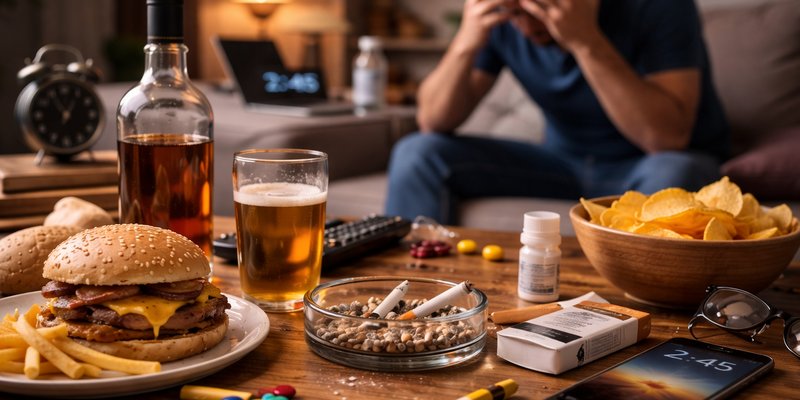
The immune system is resilient but not invincible. Habits such as chronic stress, untreated depression, inadequate sleep, poor nutrition, excessive alcohol consumption, smoking and extreme exercise can gradually undermine its efficiency. Summer sunshine does not shield us from the biological consequences of modern living.
Fortunately, the remedies are largely within reach: balanced nutrition, adequate sleep, stress management, moderate physical activity and professional support when needed. Small, consistent changes can restore immune balance and enhance resistance to infection.
Modern life may be demanding, but protecting your immune system is an investment in long-term health and vitality.
Reference
Calder, P.C. (2020) ‘Nutrition, immunity and COVID-19’, BMJ Nutrition, Prevention & Health, 3(1), pp. 74–92.
Calder, P.C. et al. (2020) ‘Optimal nutritional status for a well-functioning immune system’, Nutrients, 12(4), pp. 1–25.
Cohen, S., Tyrrell, D.A.J. and Smith, A.P. (1991) ‘Psychological stress and susceptibility to the common cold’, New England Journal of Medicine, 325(9), pp. 606–612.
Cohen, S. et al. (2009) ‘Sleep habits and susceptibility to the common cold’, Archives of Internal Medicine, 169(1), pp. 62–67.
Dantzer, R. et al. (2008) ‘From inflammation to sickness and depression’, Nature Reviews Neuroscience, 9(1), pp. 46–56.
Irwin, M.R. (2015) ‘Why sleep is important for health: a psychoneuroimmunology perspective’, Annual Review of Psychology, 66, pp. 143–172.
Irwin, M.R. and Miller, A.H. (2007) ‘Depressive disorders and immunity’, Brain, Behavior, and Immunity, 21(4), pp. 374–383.
McEwen, B.S. (2007) ‘Physiology and neurobiology of stress and adaptation’, Physiological Reviews, 87(3), pp. 873–904.
NHS (2022) Stress management. Available at: https://www.nhs.uk (Accessed: 12 February 2026).
NHS (2023) Clinical depression. Available at: https://www.nhs.uk (Accessed: 12 February 2026).
Nieman, D.C. (1994) ‘Exercise, infection and immunity’, International Journal of Sports Medicine, 15(S3), pp. S131–S141.
Nieman, D.C. and Wentz, L.M. (2019) ‘The compelling link between physical activity and the body’s defence system’, Journal of Sport and Health Science, 8(3), pp. 201–217.
Segerstrom, S.C. and Miller, G.E. (2004) ‘Psychological stress and the human immune system: a meta-analytic study’, Psychological Bulletin, 130(4), pp. 601–630.
Szabo, G. and Saha, B. (2015) ‘Alcohol’s effect on host defence’, Alcohol Research, 37(2), pp. 159–170.
World Health Organization (2020) Smoking and respiratory diseases. Available at: https://www.who.int (Accessed: 12 February 2026).