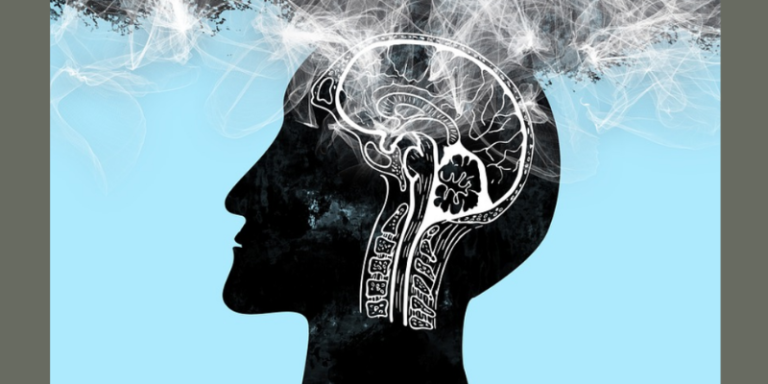
Dementia is a broad clinical term describing a progressive decline in cognitive function severe enough to interfere with independent daily living. It is not a single disease but a syndrome caused by various underlying neurological disorders that damage brain cells (Alzheimer’s Association, 2024). Core features include memory loss, difficulty with language or communication, impaired judgment, and changes in mood or behaviour. Globally, more than 55 million people live with dementia, and prevalence is increasing due to ageing populations (World Health Organization (WHO), 2023).
Although dementia cannot always be prevented, understanding its causes, recognising its symptoms, and adopting evidence-based preventive strategies may reduce risk or delay onset.
1.0 Causes of Dementia
Dementia results from neuronal damage that disrupts communication between brain cells. Different forms of dementia affect distinct brain regions and produce varying symptom patterns.
1.1 Alzheimer’s Disease
Alzheimer’s disease is the most common cause of dementia, accounting for approximately 60–70% of cases (WHO, 2023). It is characterised by the accumulation of amyloid-beta plaques and tau neurofibrillary tangles, which interfere with neuronal signalling and eventually lead to cell death (Kumar, Abbas and Aster, 2020).
The disease typically begins with subtle short-term memory impairment, such as forgetting recent conversations, appointments or misplaced items. Over time, cognitive decline becomes more widespread.
Genetic risk factors include the APOE ε4 allele, although age remains the strongest determinant (Livingston et al., 2020).
1.2 Vascular Dementia
Vascular dementia occurs when reduced blood supply damages brain tissue, often due to stroke, transient ischaemic attacks, or chronic small vessel disease (National Institute on Aging, 2024).
Unlike Alzheimer’s disease, early symptoms often involve slowed thinking, poor concentration, and difficulties with planning and organisation. Risk factors mirror cardiovascular disease, including hypertension, diabetes, obesity, smoking and high cholesterol (Livingston et al., 2020).
1.3 Lewy Body Dementia
Lewy body dementia is caused by abnormal deposits of alpha-synuclein protein, forming Lewy bodies within neurons (Mayo Clinic, 2024).
It is characterised by:
- Fluctuating cognition
- Visual hallucinations
- Parkinsonian motor features (e.g., rigidity, tremor)
Patients may show marked variation in alertness from day to day.
1.4 Frontotemporal Dementia
Frontotemporal dementia (FTD) involves degeneration of the frontal and temporal lobes (Alzheimer’s Association, 2024). It often affects individuals under 65 years.
Early symptoms commonly include:
- Personality and behavioural changes
- Loss of empathy
- Language impairment (aphasia)
For example, a previously responsible individual may exhibit impulsive or socially inappropriate behaviour.
1.5 Mixed Dementia
Mixed dementia involves features of more than one type, most commonly Alzheimer’s disease combined with vascular dementia (Alzheimer’s Association, 2024).
2.0 Symptoms of Dementia
Symptoms vary depending on the underlying cause and disease stage. They are typically progressive.
2.1 Cognitive Symptoms
The hallmark of dementia is memory loss, particularly affecting recent events. However, other cognitive impairments are equally significant:
- Difficulty with language or communication (word-finding problems, reduced vocabulary)
- Impaired judgment and decision-making
- Problems with attention and concentration
- Difficulty performing familiar tasks
- Disorientation to time and place
For example, an individual may forget how to operate household appliances or become lost in familiar neighbourhoods.
2.2 Behavioural and Psychological Symptoms
Many individuals experience changes in mood or behaviour, including:
- Depression or anxiety
- Irritability or agitation
- Apathy (loss of motivation)
- Social withdrawal
- Suspiciousness or paranoia
In Alzheimer’s disease, personality changes often occur gradually, whereas in frontotemporal dementia behavioural alterations may appear early.
2.3 Physical Symptoms (Later Stages)
As dementia progresses, individuals may develop:
- Difficulty swallowing
- Reduced mobility
- Incontinence
- Increased vulnerability to infections
In Lewy body dementia, motor symptoms such as rigidity and slow movement may be prominent.
3.0 Prevention Strategies
Although some risk factors such as age and genetics cannot be modified, research suggests that up to 40% of dementia cases may be linked to modifiable factors (Livingston et al., 2020).
3.1 Healthy Diet
A Mediterranean-style diet, rich in fruits, vegetables, whole grains, fish and olive oil, is associated with improved cognitive health (Smith and Burke, 2015). Such diets reduce inflammation and support vascular integrity.
3.2 Regular Physical Exercise
Engaging in at least 150 minutes of moderate exercise per week improves cerebral blood flow and reduces cardiovascular risk (Livingston et al., 2020). Activities such as brisk walking or swimming are particularly beneficial.
3.3 Mental Stimulation
Participation in intellectually stimulating activities — reading, puzzles, learning new skills — may increase cognitive reserve, helping the brain tolerate pathological changes (Wilson et al., 2007).
3.4 Social Engagement
Strong social relationships are protective against cognitive decline (Kuiper et al., 2015). Regular interaction reduces isolation and depression, both risk factors for dementia.
3.5 Management of Chronic Conditions
Controlling hypertension, diabetes and hyperlipidaemia reduces vascular injury and lowers dementia risk (Livingston et al., 2020).
3.6 Avoid Smoking and Excessive Alcohol
Smoking and heavy alcohol use increase oxidative stress and neuronal damage (Alzheimer’s Society, 2024). Smoking cessation and moderation of alcohol intake are strongly advised.
3.7 Prevention of Head Trauma
Repetitive head injuries have been associated with later neurodegenerative disease (Gardner and Yaffe, 2015). Protective measures such as helmets and seat belts are essential.
3.8 Quality Sleep
Chronic sleep deprivation is linked to impaired clearance of amyloid-beta (Walker, 2017). Adults should aim for 7–8 hours of restorative sleep each night.
Dementia is a progressive and multifactorial syndrome characterised by memory loss, language difficulties, impaired judgment, and changes in mood or behaviour. The principal causes include Alzheimer’s disease, vascular dementia, Lewy body dementia, frontotemporal dementia, and mixed dementia.
While not all cases are preventable, evidence supports the role of healthy lifestyle choices, cardiovascular risk management, cognitive engagement and social participation in reducing risk. Promoting lifelong brain health remains a cornerstone in addressing the growing global burden of dementia.
References
Alzheimer’s Association (2024) What is Alzheimer’s? Available at: https://www.alz.org
Alzheimer’s Society (2024) Alcohol and dementia. Available at: https://www.alzheimers.org.uk.
Gardner, R.C. and Yaffe, K. (2015) ‘Epidemiology of mild traumatic brain injury and neurodegenerative disease’, Molecular and Cellular Neuroscience, 66, pp. 75–80.
Kuiper, J.S. et al. (2015) ‘Social relationships and risk of dementia’, Ageing Research Reviews, 22, pp. 39–57.
Kumar, V., Abbas, A.K. and Aster, J.C. (2020) Robbins and Cotran Pathologic Basis of Disease. 10th edn. Philadelphia: Elsevier.
Livingston, G. et al. (2020) ‘Dementia prevention, intervention, and care’, The Lancet, 396(10248), pp. 413–446.
Mayo Clinic (2024) Lewy body dementia. Available at: https://www.mayoclinic.org
National Institute on Aging (2024) What is vascular dementia? Available at: https://www.nia.nih.gov.
Smith, P.J. and Burke, L.M. (2015) ‘Mediterranean diet: a sustainable option for cognitive health?’, Frontiers in Nutrition, 2, p. 5.
Walker, M.P. (2017) ‘The role of sleep in cognition and emotion’, Annals of the New York Academy of Sciences, 1396(1), pp. 1–3.
Wilson, R.S. et al. (2007) ‘Participation in cognitively stimulating activities and risk of incident Alzheimer disease’, JAMA, 287(6), pp. 742–748.
World Health Organization (2023) Dementia fact sheet. Available at: https://www.who.int.