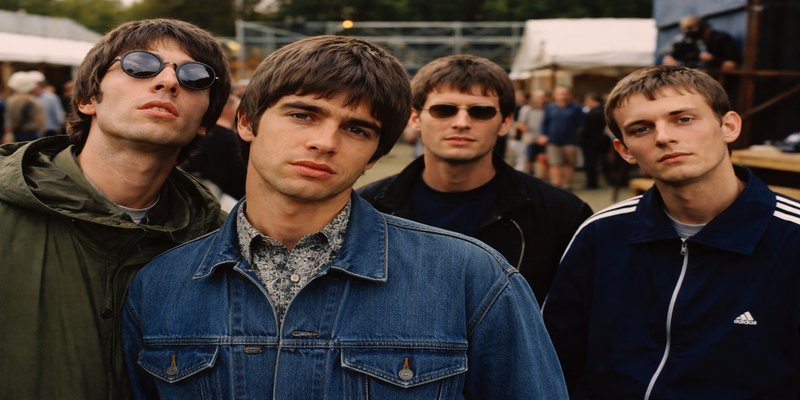
In the mid-1990s, Britain experienced a cultural resurgence that extended beyond politics and fashion into the heart of popular music. At the centre of this transformation stood Oasis, a Manchester-based rock band whose swagger, melodic confidence and working-class authenticity helped define the Britpop movement. More than simply chart-topping musicians, Oasis became a symbol of national identity, youth aspiration and cultural revival. Their rise from council estates to global superstardom illustrates how popular music can both reflect and shape generational consciousness.
1.0 The Birth of Oasis and the Manchester Context
Formed in 1991, Oasis consisted of Liam Gallagher (vocals), Noel Gallagher (lead guitar and principal songwriter), Paul ‘Bonehead’ Arthurs (rhythm guitar), Paul ‘Guigsy’ McGuigan (bass), and Tony McCarroll (drums). Their emergence in Manchester was significant. The city already possessed a rich musical lineage, having produced influential acts such as The Smiths, Joy Division and The Stone Roses. This heritage provided both inspiration and competitive momentum.
According to Harris (2004), Oasis projected a “rebellious authenticity” rooted in their working-class upbringing in Burnage, Manchester. In an era marked by post-recession uncertainty and social change, their unapologetic confidence resonated with British youth. Bennett and Stratton (2010) argue that Britpop represented a deliberate reassertion of English musical tradition, drawing heavily from 1960s influences while rejecting American grunge dominance.
2.0 Definitely Maybe (1994): Reclaiming British Guitar Music
Oasis’s debut album, Definitely Maybe (1994), marked a turning point in British rock. Featuring tracks such as Live Forever, Supersonic and Cigarettes & Alcohol, the album fused distortion-heavy guitars with optimistic lyricism. It became the fastest-selling debut album in UK history at the time (BBC, 2019).
Reynolds (2011) situates this success within a broader cultural pattern he terms “retromania”, whereby contemporary music draws inspiration from its own past. Oasis channelled the melodic sensibilities of The Beatles and The Kinks while presenting them through a modern, stadium-ready lens. Their sound was loud, direct and anthemic—designed for communal singing rather than introspective isolation.
Crucially, Definitely Maybe restored commercial viability to guitar-driven British rock at a time when American alternative music dominated global charts. It became a declaration that British music could once again command international attention.
3.0 (What’s the Story) Morning Glory? (1995): Global Ascendancy
If their debut signalled promise, (What’s the Story) Morning Glory? (1995) confirmed global dominance. The album featured enduring classics such as Wonderwall, Don’t Look Back in Anger and Champagne Supernova. Selling over 22 million copies worldwide (Britton, 2019), it transformed Oasis into one of the biggest bands of the decade.
This period coincided with what journalists termed the “Battle of Britpop”, a highly publicised chart rivalry between Oasis and Blur. While Blur’s Country House initially outsold Oasis’s Roll With It, Harris (2004) notes that Morning Glory ultimately eclipsed Blur’s The Great Escape in long-term sales and cultural impact.
Beyond sales figures, Oasis came to embody “Cool Britannia”, a cultural moment characterised by renewed national confidence. Cloonan (2007) observes that music during this period became intertwined with political identity, culminating in Noel Gallagher’s attendance at a Downing Street reception hosted by Prime Minister Tony Blair in 1997. This symbolic gesture underscored the band’s integration into the national narrative.
4.0 Britpop as Cultural Statement
Britpop was not merely a genre but a cultural repositioning of British identity. Bennett and Stratton (2010) argue that the movement reasserted a sense of “Englishness” grounded in everyday life rather than Americanised glamour. Oasis exemplified this ethos through mod-inspired fashion, Northern accents and lyrics referencing ordinary experiences.
Their music balanced nostalgia and immediacy. Songs such as Don’t Look Back in Anger blended Beatlesque chord progressions with stadium-scale choruses, creating communal anthems. In doing so, Oasis tapped into what Bennett (2013) identifies as music’s role in shaping collective memory across generations.
5.0 Fame, Excess and Creative Tensions
However, success carried complications. The Gallagher brothers’ volatile relationship became tabloid legend. Public disputes, cancelled performances and backstage altercations contributed to Oasis’s mythology but also destabilised internal cohesion.
Their third album, Be Here Now (1997), was released amid unprecedented hype. It initially broke UK sales records but later faced criticism for overproduction and excess (Harris, 2004). Reynolds (2011) interprets this as symptomatic of Britpop’s broader saturation—an overextension of its own aesthetic.
Subsequent albums, including Don’t Believe the Truth (2005), achieved commercial success but lacked the transformative cultural weight of their mid-1990s output. In 2009, Noel Gallagher’s departure following another backstage dispute marked the definitive end of Oasis as a performing entity.
6.0 Legacy and Continuing Influence
Despite their dissolution, Oasis’s legacy remains formidable. Their songs persist in football stadiums, festivals and social gatherings across Britain. The Official Charts Company (2021) reports that Wonderwall remains among the most streamed songs of the 1990s, illustrating enduring intergenerational appeal.
Musically, Oasis influenced subsequent British acts such as Arctic Monkeys, Kasabian and The Courteeners, who inherited their blend of regional pride and melodic immediacy (Bennett, 2013). The band’s impact also extends into discussions of masculinity, class and authenticity in popular music.
The 2016 documentary Oasis: Supersonic reignited critical reassessment, framing their story as emblematic of 1990s Britain’s cultural dynamism. Scholars have increasingly positioned Oasis within broader debates about music’s relationship to state, identity and market forces (Cloonan, 2007).
7.0 Oasis and the Construction of Identity
From an academic perspective, Oasis exemplifies how popular music operates as cultural capital. Their music provided what Mensing (2023) might describe, in broader sensory terms, as an “emotional trademark”—a signature identity that listeners internalise.
Their lyrics often centred on aspiration and defiance. The refrain from Live Forever—“Maybe I just want to fly”—captured a generational desire for upward mobility and self-determination. In this sense, Oasis became symbolic of working-class ambition within a rapidly modernising Britain.
Oasis were more than Britpop figureheads; they were architects of a cultural epoch. Through anthemic songwriting, unapologetic Northern identity and strategic media presence, they reshaped British music in the 1990s. While internal conflict curtailed their longevity, their influence persists in streaming statistics, academic scholarship and popular memory.
Their trajectory—from Manchester council estates to Knebworth’s record-breaking concerts—reflects the aspirational ethos of a generation seeking confidence and cultural reaffirmation. Oasis may have fractured, but their songs continue to reverberate through Britain’s sonic landscape.
In the history of modern British music, Oasis remain not merely participants but defining revolutionaries of the Britpop era.
References
BBC (2019) ‘Definitely Maybe at 25: How Oasis changed British music forever’, BBC Culture. Available at: https://www.bbc.com/culture/article/20190828-definitely-maybe-at-25-how-oasis-changed-british-music-forever (Accessed: 21 February 2026).
Bennett, A. (2013) Music, Style, and Aging: Growing Old Disgracefully? Philadelphia: Temple University Press.
Bennett, A. and Stratton, J. (2010) Britpop and the English Music Tradition. Farnham: Ashgate Publishing.
Britton, L. (2019) ‘Oasis’ (What’s the Story) Morning Glory? turns 25’, NME. Available at: https://www.nme.com/features/oasis-whats-the-story-morning-glory-25th-anniversary-2760578 (Accessed: 21 February 2026).
Cloonan, M. (2007) Popular Music and the State in the UK. Farnham: Ashgate Publishing.
Harris, J. (2004) Britpop! Cool Britannia and the Spectacular Demise of English Rock. London: Da Capo Press.
Official Charts Company (2021) ‘Most streamed songs of the 1990s’. Available at: https://www.officialcharts.com/chart-news/most-streamed-songs-of-the-1990s__31250/ (Accessed: 21 February 2026).
Reynolds, S. (2011) Retromania: Pop Culture’s Addiction to Its Own Past. London: Faber & Faber.